Menu

Get It Safely Pumped Today
Get It Safely Pumped Today
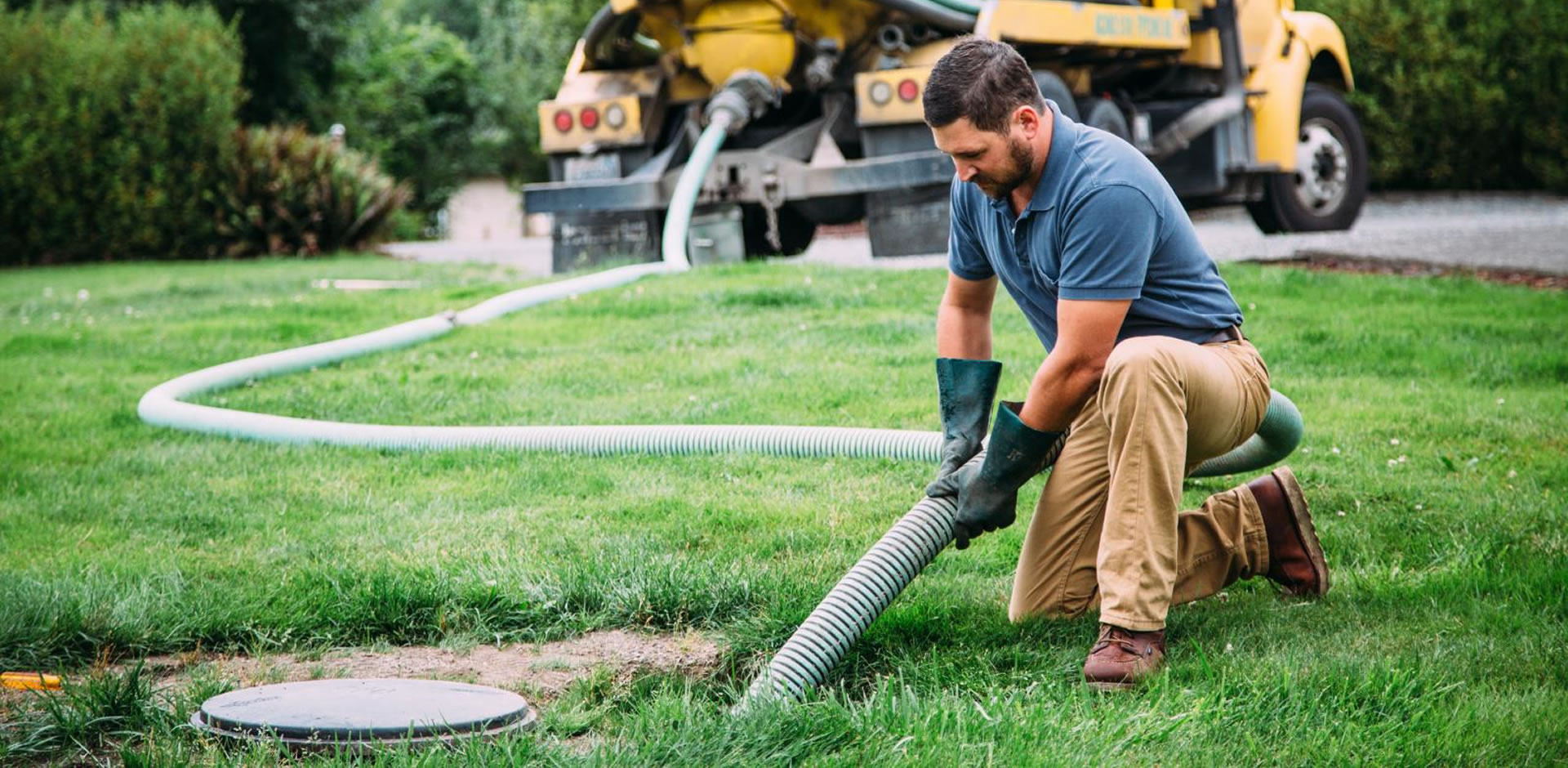
Standing water in your yard is never a good sign, but when it shows up near your septic tank, you'll want to figure out what's going on fast. Septic Pumping of Raleigh can help. Standing water near your tank can point to several different problems. Some are simple to find, and some are more serious. Before you assume the worst or brush it all off as drainage from last night's rain, this post will walk you through what's going on and what to do next.
Pooling water directly above your septic tank or drain field usually means there's a system problem, not a drainage issue. Water collecting there means something underground is pushing liquid up or preventing it from dispersing correctly. A saturated drain field that goes ignored for weeks becomes a failed drain field, which costs thousands more to repair than a routine septic tank pumping.
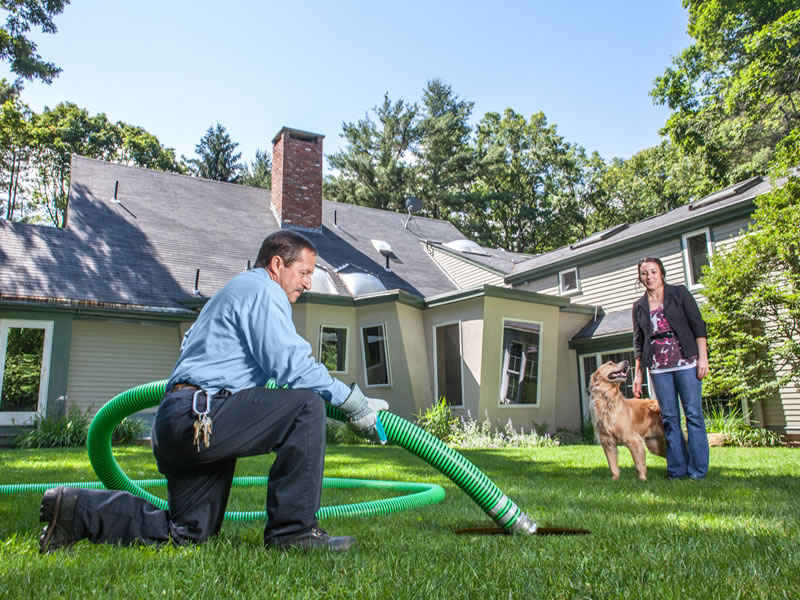
There's also a contamination risk. Septic effluent contains bacteria, nitrogen, and pathogens. When it surfaces, it poses an exposure risk for kids, pets, and anyone walking through the yard. The longer the water sits, the wider the contaminated area spreads.
Several distinct problems can produce standing water in the same general area:
A qualified septic company can run a camera inspection or dye test to pinpoint the source. Guessing without that information leads to unnecessary digging and wasted money. In many cases, identifying the cause early means the repair is minor. The same problem caught six months later can require excavating and replacing the distribution box or a section of the leach line.
These two problems look similar from the surface but require completely different responses. A full tank is usually resolved through septic cleaning, pumping out accumulated solids, and inspecting the tank. Once emptied, the system should return to normal within a day or two if the drain field is still in good health.
A saturated drain field is a longer-term issue. The soil has lost its ability to absorb effluent. This happens through biomat buildup, hydraulic overload, or simple age. Pumping the tank won't fix a failed drain field. You'd need to rest the field or replace sections of the leach lines. Some homeowners have added a second drain field zone to give the saturated area time to recover.
Did the standing water appear suddenly after heavy use or normal use? Sudden onset after normal use points toward the tank. Gradual onset over weeks points toward the drain field. Schedule a septic service call with a proper inspection to confirm which one you're dealing with.
Sewage surfacing in a yard carries E. coli, fecal coliforms, and other pathogens at concentrations high enough to cause illness. Children and pets are the most vulnerable because they're more likely to make direct contact with contaminated soil or standing water. Adults who garden, mow, or otherwise work near the area face exposure too.
Once effluent reaches the surface, it can migrate. It moves across the yard in rain, drains toward low spots, and in some cases reaches groundwater or nearby wells. Discharging septic effluent to the surface is a violation of sanitation rules and can trigger a regulatory response from the health department. The response can include a mandatory repair timeline and fines.
If you see standing water near your system and it has any odor, discoloration, or visible biological growth, treat the area as contaminated and keep everyone away from it. Call a septic company the same day. Active surfacing is an active health problem, so don't schedule this for next week.
A professional inspection starts with locating the tank and drain field, which can require checking your property records if you don't already have a site plan. The technician will open the tank access lids and check liquid levels, solids depth, and the condition of the inlet and outlet baffles.
From there, the scope depends on what the visual inspection reveals. A high liquid level with minimal solids points toward a drain field issue. Excessive solids buildup points toward a maintenance problem that can be solved through septic cleaning. If components look damaged or root intrusion is suspected, a camera line inspection follows. A good inspection includes this diagnostic work upfront rather than charging you for repairs before the problem is confirmed.
Septic maintenance done on a regular schedule catches the most common problems. That means pumping every three to five years, annual visual checks, and avoiding flushing non-biodegradable materials. Skipping septic maintenance and letting problems develop means repair costs are consistently higher than what routine service would have cost. The difference between a $400 pump-out and a $6,000 drain field replacement usually comes down to how long a small problem was ignored. Scheduling a septic service call when you first notice pooling water gives you the most options and the lowest cost path forward.
Are you ready to find out what's causing the standing water on your property? Septic Pumping of Raleigh provides reliable inspections, septic tank pumping in Chapel Hill, NC, and drain field evaluation for local homeowners. Call us today to schedule your next service.
 18
Feb/18/2026
18
Feb/18/2026
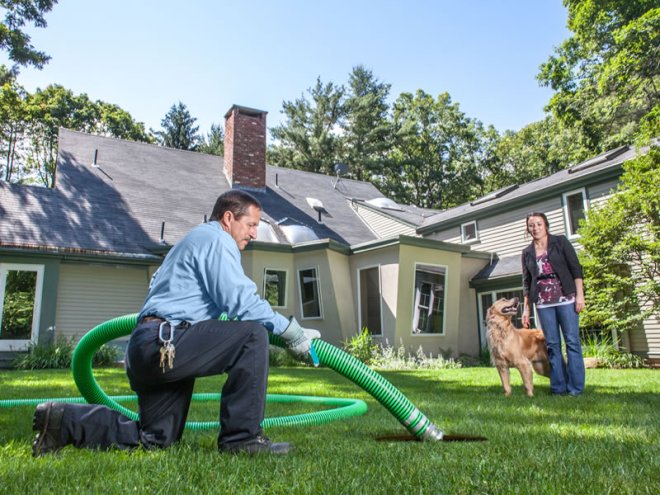
Standing water in your yard is never a good sign, but when it shows up near your septic tank, you'll want…
 16
Feb/16/2026
16
Feb/16/2026
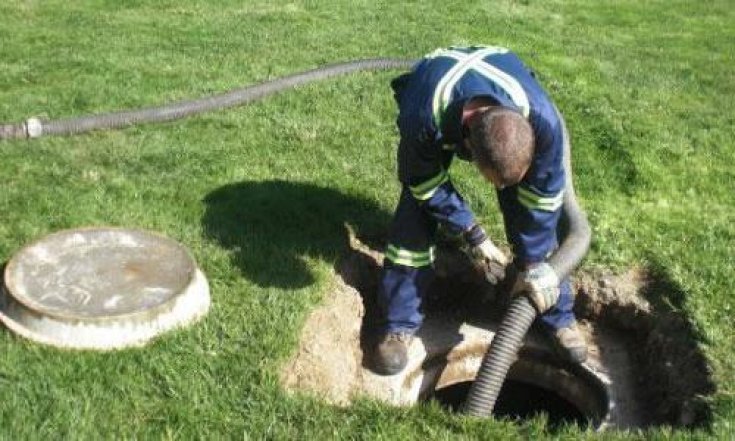
Scheduling a septic service appointment is easy enough, but most homeowners have no idea what's supposed to happen once the truck…
 05
Feb/05/2026
05
Feb/05/2026
Anyone can show up with a truck and a hose, but septic work isn't just about pumping and leaving. The difference…
 29
Jan/29/2026
29
Jan/29/2026
The buried tank in your yard works around the clock to process everything that goes down your drains. And, it does…