Menu

Get It Safely Pumped Today
Get It Safely Pumped Today
Scheduling a septic service appointment is easy enough, but most homeowners have no idea what's supposed to happen once the truck pulls into the driveway. Are they just pumping and leaving? Should they be checking other things? Is there paperwork involved? At Septic Pumping of Raleigh, we believe you deserve to know exactly what you're paying for every time we show up. A septic maintenance service goes well beyond sticking a hose in the tank, and understanding what's included helps you spot the difference between a company cutting corners and one doing the job right. This guide breaks down every step of a professional visit so you can hold any provider to the standard your system deserves.
A good technician walks your property before unloading a single tool. They locate the access point, check for soft spots or standing water near the tank, and ask when you last had service. This assessment takes five to ten minutes and tells them what they're working with before they commit to a plan.
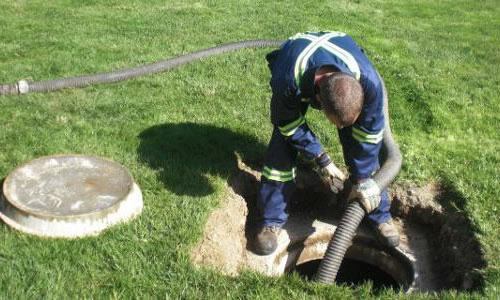
During this walkthrough, the tech should ask about any recent backups, slow drains, or odors. These details help them tailor the inspection to your system's current condition. If you've had gurgling toilets or pooling water in the yard, mention it now. The more they know upfront, the more targeted their work becomes.
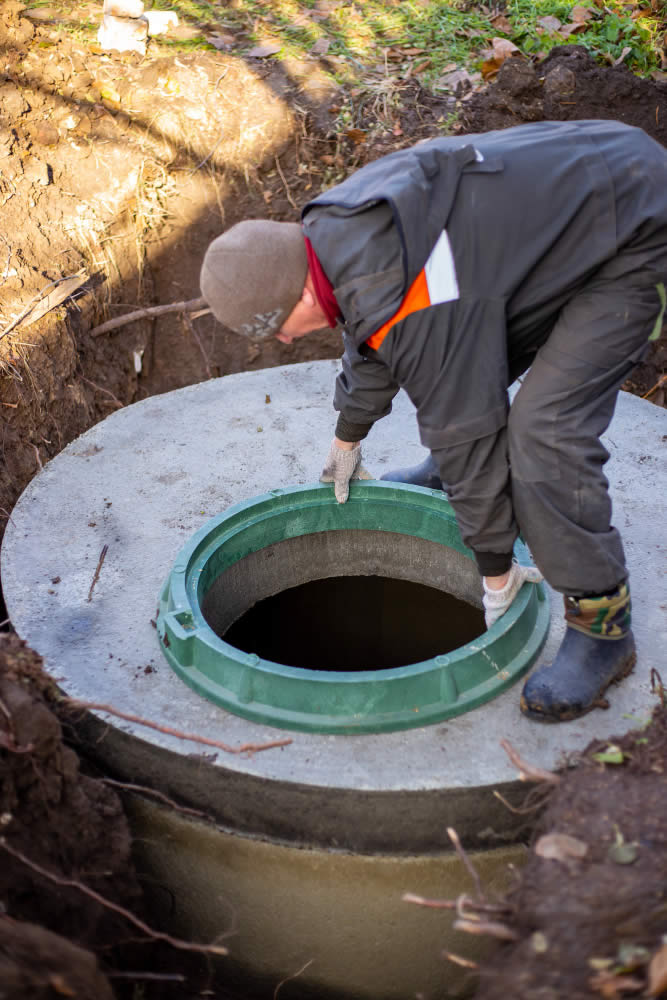
They'll also confirm access to the tank and determine if the lids are buried, cracked, or easy to remove. Some properties require digging to expose the access ports. A professional septic company discloses this before starting work and explains any additional time or cost involved.
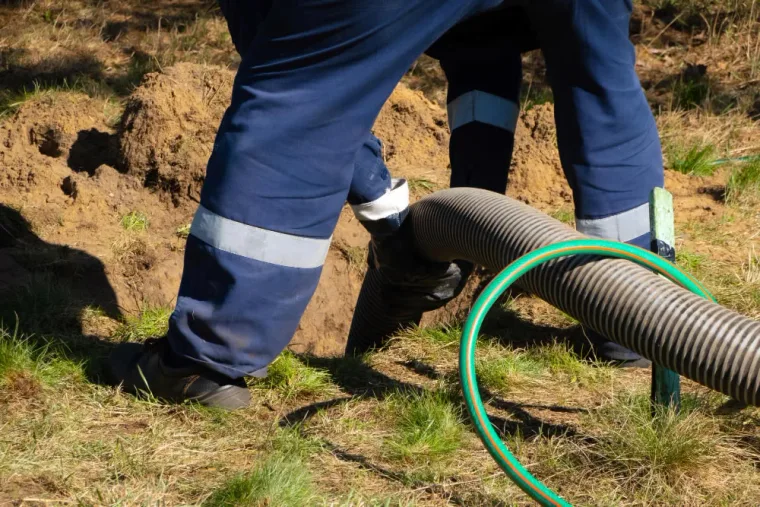
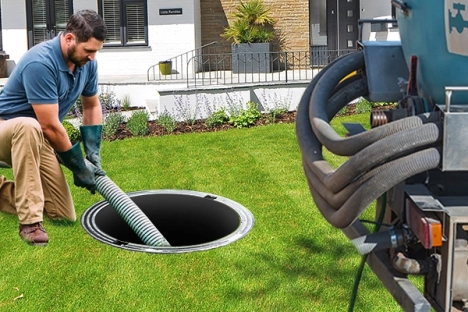
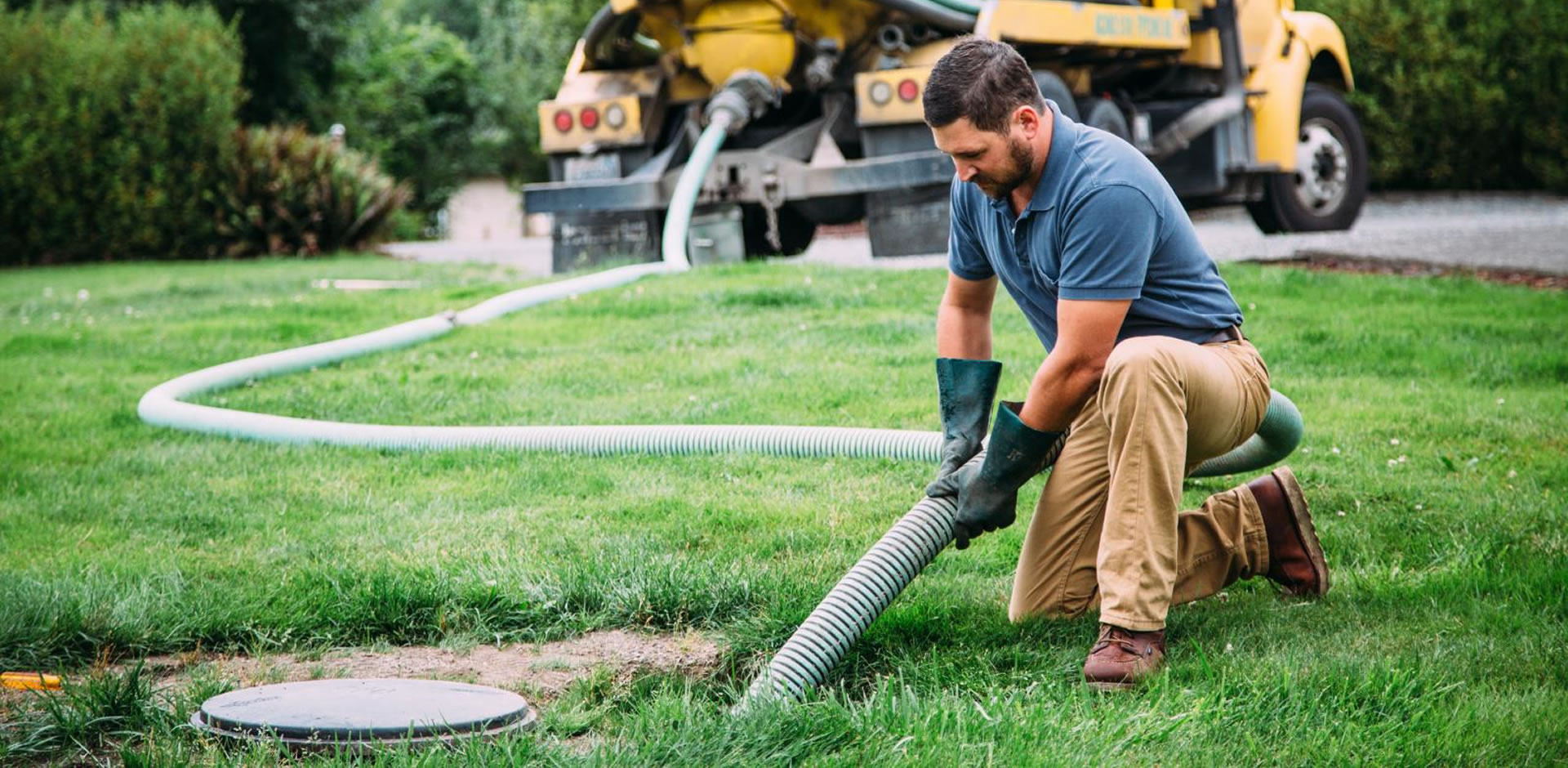
Septic tank pumping in Wake Forest starts with removing all the waste from the tank using a high-powered vacuum truck. The technician inserts a large hose through the access port and extracts the contents until the tank is empty. This process removes sludge from the bottom, scum from the top, and everything in between.
A thorough pump-out doesn't stop at sucking out the obvious waste. The tech should use the hose to agitate solids that have settled at the bottom of the tank and break up any compacted material clinging to the walls. Without this step, layers of sludge remain behind and reduce your tank's effective capacity. Some providers skip this part to save time. You're left with a half-cleaned tank that fills up faster than it should.
Once the tank is empty, the technician flushes it with water to remove residual buildup. This final rinse clears away leftover solids and gives them a clear view of the tank's interior for the inspection phase. The entire septic cleaning process takes thirty to sixty minutes, depending on tank size and how long it's been since the last service.
After pumping, the technician inspects the interior components while the tank is empty and visible. Baffles are the T-shaped pipes that prevent solids from flowing into the drain field. They check whether these baffles are intact, properly positioned, and free from clogs. A damaged or missing baffle allows sludge to escape into your drain lines and can destroy your entire system within a year.
The tech also examines the tank walls for cracks, corrosion, or signs of structural failure. Concrete tanks can develop hairline fractures over time, especially in areas with freeze-thaw cycles or shifting soil. Fiberglass and plastic tanks may show warping or separation at the seams. Catching these problems early prevents catastrophic failures that require full tank replacement.
Lids and access ports get checked for damage and proper sealing. A cracked lid allows rainwater to flood the tank and overload your drain field. Loose or missing gaskets let odors escape and create a safety hazard. If the technician finds any issues with lids or structural integrity, they should document them and recommend repairs before the problems escalate.
A complete septic cleaning includes a basic evaluation of your drain field. The technician walks the area above the drain lines and looks for soggy patches, lush grass growth, or foul odors. These signs indicate that wastewater is surfacing instead of filtering through the soil.
They'll also check the distribution box if your system has one. This component diverts wastewater evenly across multiple drain lines. If the box is tilted or clogged, one section of your drain field gets overloaded while others sit dry. Balancing the flow extends the life of your entire system and prevents premature failure.
Some companies skip this step because it takes time and doesn't generate immediate revenue. But a failing drain field costs ten to twenty thousand dollars to replace. Spotting early warning signs during routine septic maintenance saves you from that expense. If your provider doesn't walk the drain field during every visit, find one who does.
Every professional visit should end with a written service report that records the date of service, gallons pumped, and the condition of your tank and components. It also notes any repairs needed and provides recommendations for future maintenance intervals.
The report should include photos of any damage or concerns. Visual documentation helps you understand the problem and makes it easier to track changes over time. If the technician recommends replacing a baffle or repairing a crack, those photos serve as proof when you're deciding whether to move forward with repairs.
You'll also receive a receipt showing what you paid and what services were performed. Keep these records in a file with your other home maintenance documents. When you sell your property, buyers and inspectors will ask for proof of regular septic tank pumping. Missing paperwork raises red flags and can delay or derail a sale.
If a crew shows up and finishes in fifteen minutes, they're not doing the job. A legitimate pump-out and inspection takes at least half an hour for a standard residential tank. Anything faster means they're skipping steps.
Watch out for companies that won't provide a written report or claim they "don't do paperwork." Documentation protects both parties and gives you a record of your system's condition. Refusing to provide it suggests they're hiding substandard work or don't want to be held accountable for what they find.
Another warning sign is a provider who never mentions your baffles, drain field, or tank condition. If they only talk about pumping and nothing else, they're treating your system like a trash can instead of the complex wastewater treatment setup it actually is. You deserve more than a glorified vacuum service. You need a detailed evaluation that keeps your system running for decades.
A professional septic company combines pumping, inspection, documentation, and honest communication. Don't settle for the bare minimum when your home's wastewater system depends on consistent, quality care. Are you ready to schedule a septic service that delivers what it promises? Contact Septic Pumping of Raleigh today for an inspection and pump-out. We don't cut corners, and we don't leave your property until the job is done right.
 22
May/22/2026
22
May/22/2026
There is a similarity between emergency septic back-ups and costly repairs – the red flags were neglected! Most times, homeowners appear…
 12
May/12/2026
12
May/12/2026
Most homeowners know they are supposed to schedule septic tank pumping every few years. What many do…
 06
May/06/2026
06
May/06/2026
Septic systems do not malfunction suddenly! The failure starts with ordinary habits that seem harmless at the time. A little grease…
 30
Apr/30/2026
30
Apr/30/2026
Septic systems take a beating from the seasons, and most homeowners have no idea it's happening until there's already a problem.…