Menu

Get It Safely Pumped Today
Get It Safely Pumped Today
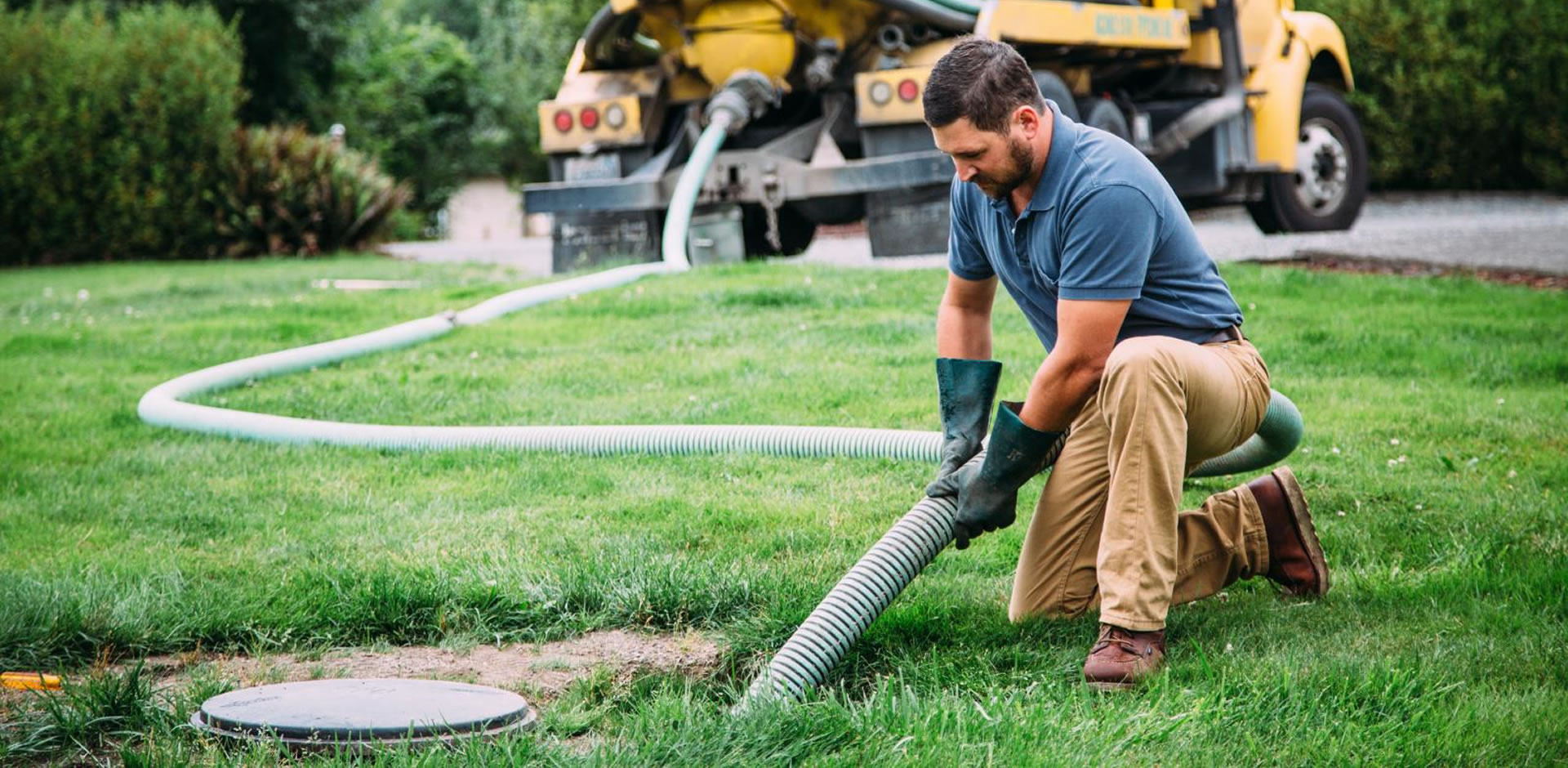
The buried tank in your yard works around the clock to process everything that goes down your drains. And, it does a remarkable job until neglect catches up with it. At Septic Pumping of Raleigh, we've seen firsthand what happens when septic care gets pushed to the bottom of the to-do list year after year. The consequences aren't pretty, and they're almost always more expensive than the maintenance that could have prevented them. Here's what's really going on beneath your lawn when pumping schedules slip.
Inside your septic tank, a simple separation process does all the work. Wastewater enters and splits into three layers on its own. Heavy solids settle down to the bottom, where they form sludge. Lighter things like grease, oils, and soap scum rise up and sit on top as scum. Between them is a layer of mostly clear liquid called effluent that flows out to the drain field for final treatment in the surrounding soil.
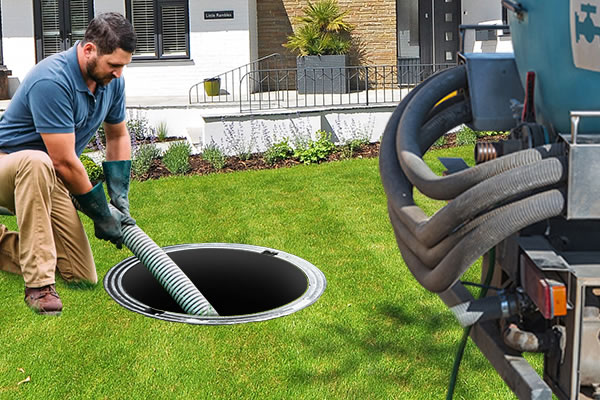
This layered system exists for good reason. The tank serves as a place where solids can sit and break down through bacterial activity while the liquid portion continues on for additional processing. Bacteria digest the organic matter in the bottom sludge layer and reduce how much accumulates. Still, there are limits to what bacteria can handle. The sludge keeps building with every toilet flush, every shower you take, and every load of laundry.
Having a septic tank pumping done on schedule means a technician gets the sludge and scum out before it builds to dangerous levels. If you wait too long, this carefully balanced system will fail, and it'll happen in ways that are pretty predictable.
A family of four with a 1,000-gallon tank typically needs to be pumped every three to five years. A smaller tank or a larger family means you'll need to pump more often. When sludge keeps building up, it eats into the tank's working capacity. A tank that's supposed to hold 1,000 gallons might only give you 600 gallons of usable space once sludge takes over the bottom third. With less room to work with, wastewater doesn't spend as much time separating into layers the way it should. Solids that would normally sink start drifting toward the outlet pipe instead. Meanwhile, the scum layer gets thicker and creeps closer to the outlet baffle, which is the part that's supposed to keep floating debris from leaving the tank.
Keeping up with regular septic cleaning stops this chain of events before it starts. Once sludge takes up more than about 30 percent of the tank's total depth, the system can't do its job anymore. The bacteria working to break down waste get overwhelmed and can't keep pace. That's when solids start escaping into places where they'll cause damage that costs serious money to fix.
The outlet baffle on your septic tank keeps solids inside the tank while allowing liquid to exit. This simple device sits near the top of the tank and creates a barrier that blocks floating scum. When sludge builds high enough, it can reach this outlet. A scum layer that builds up too much can sneak past the baffle. No matter which way it happens, the result is the same. Solid material ends up in your drain field.
Your drain field consists of perforated pipes buried in gravel trenches. Effluent trickles out of these pipes and filters through the gravel and surrounding soil, where bacteria complete the treatment process. This system works because the liquid entering it contains minimal solid content. If solids are introduced, everything changes.
Solid particles clog the perforations in the drain field pipes. They fill the spaces between gravel pieces and create a biomat layer in the soil that blocks absorption. A clogged drain field can't process incoming liquid, so wastewater backs up toward the tank or surfaces in your yard. Repair or replacement of a failed drain field runs between $5,000 and $25,000. Proper septic maintenance costs a small fraction of that.
Drain field failure happens gradually. The soil around your distribution pipes can only absorb so much liquid per day. When solids enter the system, they reduce this absorption capacity by coating soil particles and blocking the tiny spaces where water would normally flow. The damage compounds with each passing month.
Early-stage drain field problems show up as slow drains throughout the house. Toilets might gurgle after flushing. The grass above your drain field grows unusually green and lush because it receives excess nutrients from partially treated sewage. Wet spots appear over the drain field even during dry weather, and sewage smells drift across your property.
Advanced failure produces standing water over the drain field and sewage backup into the home. At this stage, the drain field will need replacement rather than repair. Excavation crews dig up your yard, remove the failed system, and install new distribution pipes in fresh soil. The original drain field location remains unusable for decades. Scheduling service with a qualified septic company before problems get worse will protect your property and your budget.
Septic tank pumping in Rolesville typically costs $300 to $500, with the final number depending on tank size and accessibility. A septic service every three years breaks down to roughly $100 to $170 a year. Stack that against what you'll pay for repairs. An outlet baffle replacement costs $200 to $500. A new distribution box is $500 to $1,500. Systems with septic pumps need $800 to $1,500 for a replacement.
The real financial hit comes when you need to replace the drain field. That's $5,000 to $25,000, plus weeks of disruption to your property, permitting headaches, and whatever it costs to restore your landscaping afterward. Worse, some properties don't have room for a replacement drain field, which leaves homeowners with no choice but to pay for more expensive alternative systems.
The numbers always favor staying ahead of problems. Working with a reliable septic service provider means your system stays within normal operating range and small issues get caught early. There's a bonus at selling time too. Homes with solid pumping records on file usually sell more quickly because buyers and inspectors treat that history as a sign of a responsible homeowner.
If you've lost track of your last pumping date, schedule an inspection now. Have a technician come out to measure sludge and scum levels, inspect the outlet baffle, and check on your drain field. You'll get a clear picture of where things stand and whether you need a repair service or routine septic maintenance. Contact Septic Pumping of Raleigh to book your septic cleaning appointment or inspection.
 30
Apr/30/2026
30
Apr/30/2026
Septic systems take a beating from the seasons, and most homeowners have no idea it's happening until there's already a problem.…
 18
Apr/18/2026
18
Apr/18/2026
Most homeowners know their septic system needs attention at some point. Very few know how quickly skipping maintenance can turn into…
 08
Apr/08/2026
08
Apr/08/2026
That beeping sound coming from your septic system is not something to silence and forget about. At Septic Pumping of Raleigh,…
 06
Apr/06/2026
06
Apr/06/2026
Scheduling a septic maintenance appointment is something homeowners know they should do, but often put off because they're not sure what…