Menu

Get It Safely Pumped Today
Get It Safely Pumped Today
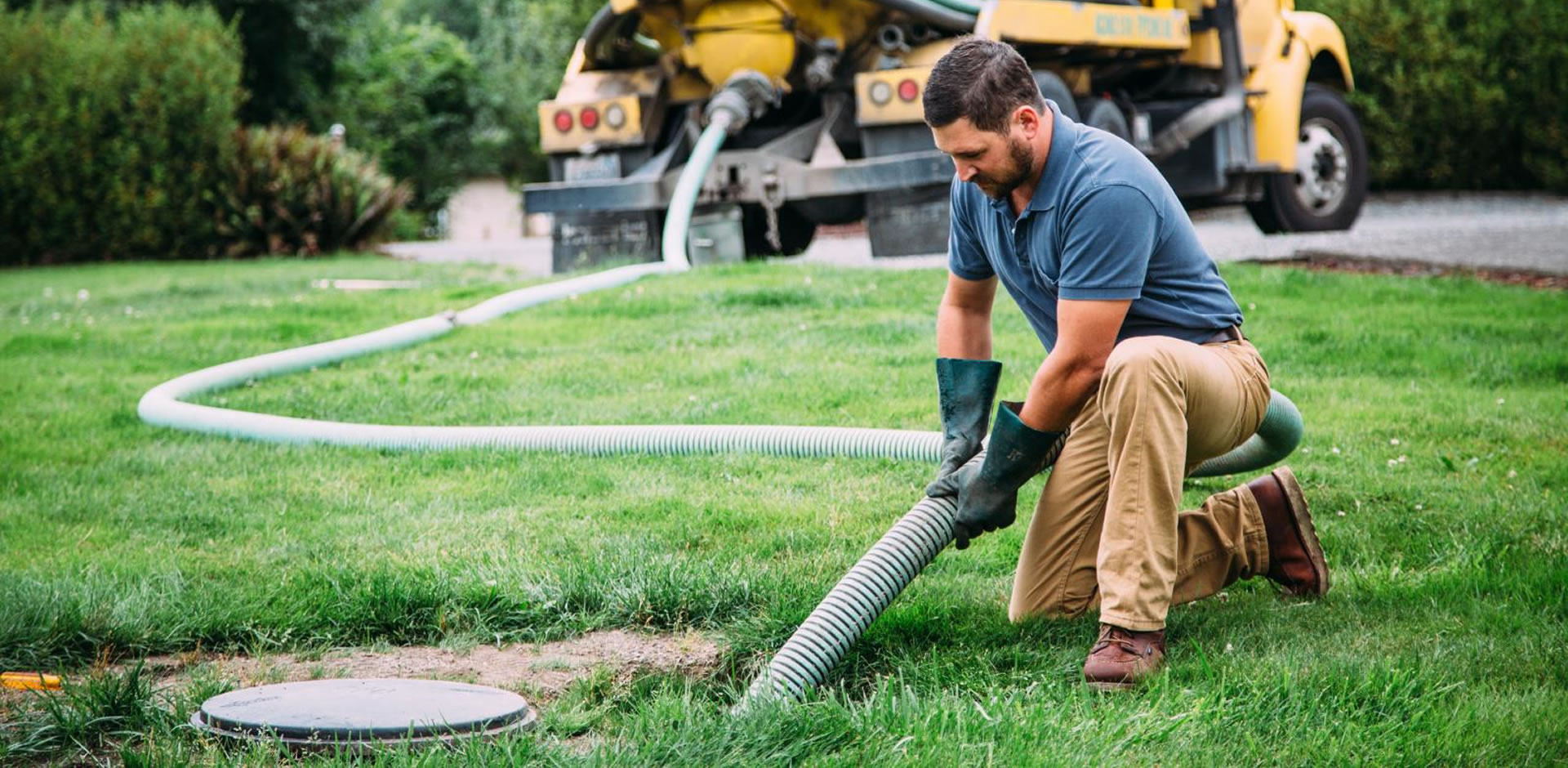
Anyone can show up with a truck and a hose, but septic work isn't just about pumping and leaving. The difference shows up in how the system is evaluated and how problems are explained. At Septic Pumping of Raleigh, we provide septic services built around experience, accuracy, and clear communication, not shortcuts. Below, we break down what separates a professional septic company from the rest.
Walking straight to the tank without checking anything else misses half the story. A quality evaluation starts the moment the technician arrives. They look at yard conditions, note any soggy spots near the drain field, and ask when you last had work done.
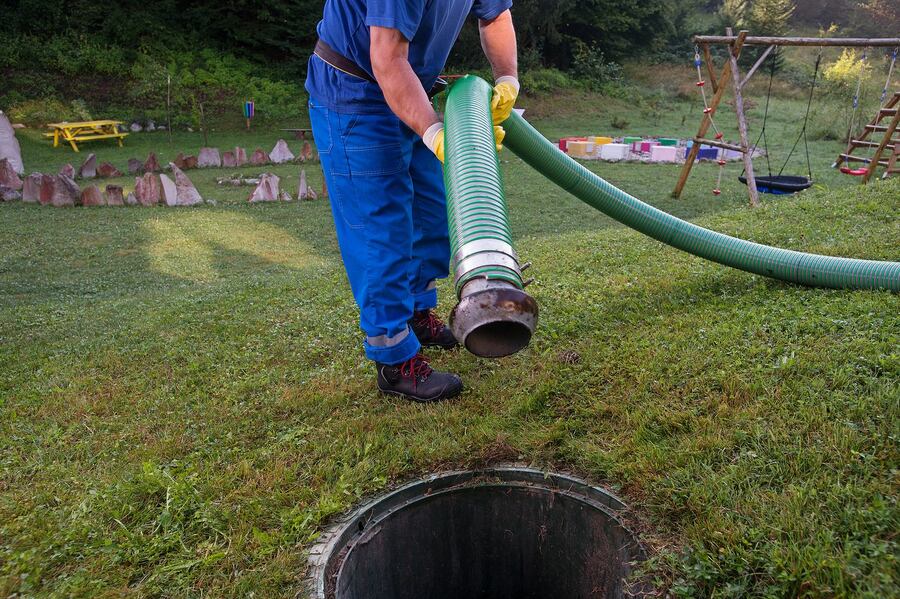
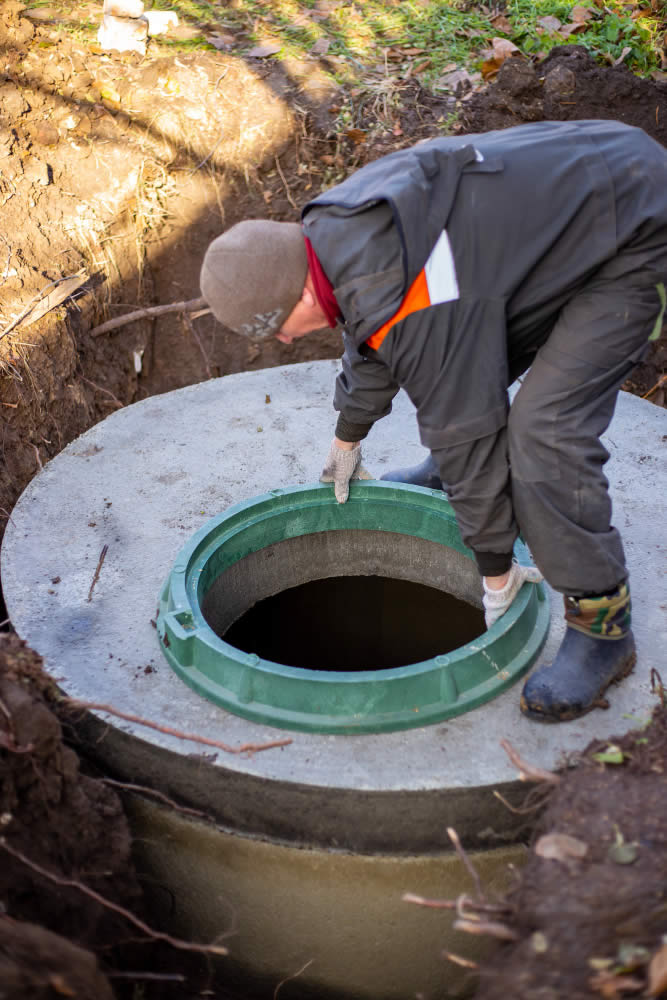
Before the pump starts, professionals inspect the tank's condition. They check for cracks in the concrete, measure sludge and scum levels, and look at the baffles to confirm they're intact. A baffle that's deteriorated lets solids escape into the drain field, which creates backups down the road. Finding that during an inspection instead of after a failure saves thousands in repairs.
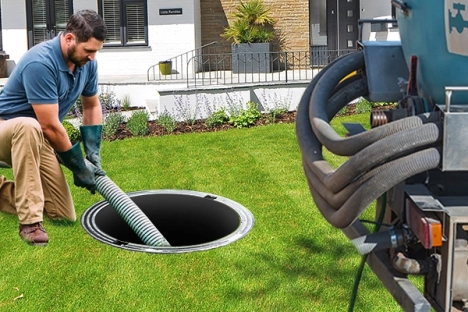
The evaluation also identifies whether the tank needs septic tank pumping in Garner or if another issue is causing the problem. Sometimes what looks like a full tank is actually a blocked outlet or a collapsed pipe. Septic tank pumping won't fix that. Technicians who skip the assessment waste your time and money by treating symptoms instead of causes.
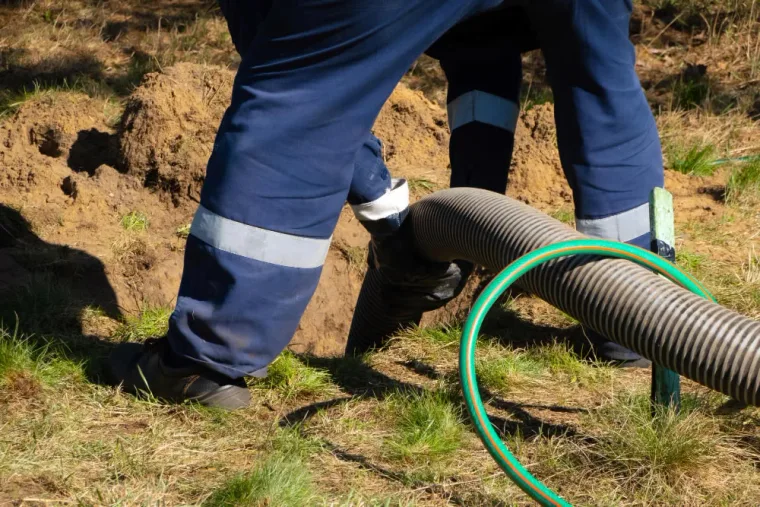
Modern vacuum trucks handle the pumping, but they can't interpret what comes out of the tank. Experienced technicians recognize when the waste looks wrong. Excessive grease is probably a cooking oil problem, while too much water suggests a leak or overuse. These details point to habits that need adjustment before they damage the system.
Years in the field also teach technicians to spot early signs of failure. They notice when a tank settles unevenly or when tree roots start creeping toward the lines. They've seen enough systems to know what precedes a major breakdown. Their pattern recognition catches problems while they're still manageable.
New technicians follow procedures, but seasoned professionals adapt to what each system needs. They adjust pumping schedules based on household size, usage patterns, and soil conditions. A family of five needs different septic maintenance than a couple.
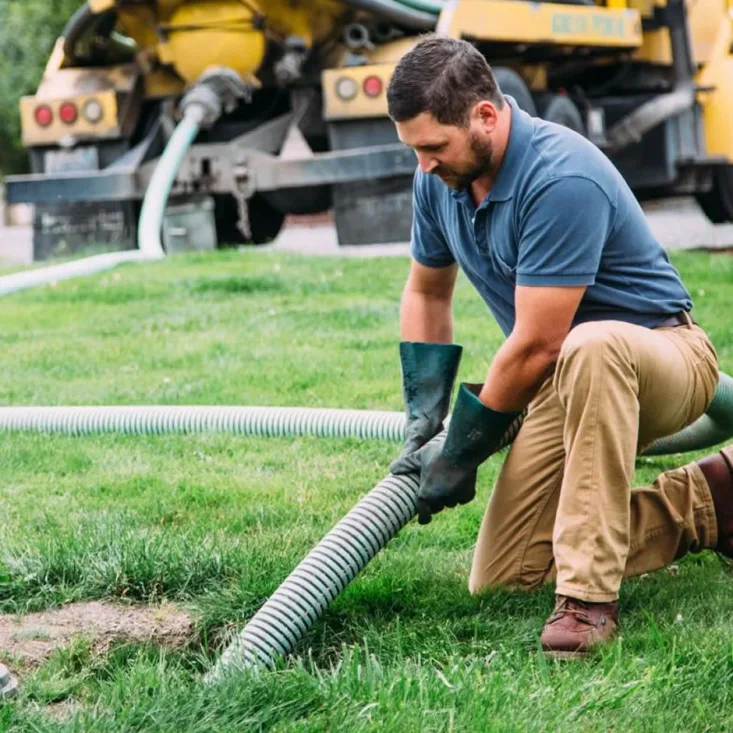
The drain field treats wastewater after it leaves the tank, and it's the most expensive component to replace. Professionals protect it by controlling what exits the tank during septic cleaning. They pump at a pace that prevents sediment from stirring up and flowing into the outlet pipe. Rushing the job can push sludge into the drain field and clog the soil.
Technicians also inspect the distribution box and check that effluent flows evenly across all drain lines. If one line takes more flow than the others, that section of the field saturates faster and fails sooner. Adjusting the flow during service extends the field's lifespan by decades.
After pumping, professionals look for signs that the field is already struggling. Slow drains, wet spots, or odors near the field indicate trouble. They'll recommend a field inspection or camera work to check for damage. Ignoring these warnings turns a repair into a full replacement.
Routine pumping empties the tank and moves on. Real septic service involves documenting what was found, explaining what it means, and outlining what comes next. The technician takes measurements, notes the tank's condition, and provides a written report. You walk away knowing whether your system is healthy or headed for problems.
Professionals also answer questions without brushing you off. They explain why certain products harm the system, how to reduce water usage, and what maintenance schedule makes sense for your household. They don't assume you know how septic systems work. They take time to make sure you understand what's happening underground.
The best septic service includes follow-up. If the technician recommends monitoring a potential issue, they schedule a check-in rather than leaving it to you to remember. They track your pumping history and call when the next service is due. Being proactive prevents the emergencies that come from forgetting maintenance.
A professional septic company keeps detailed records for every property they service. These files include tank size, last pumping date, sludge levels, and any repairs performed. When the same company handles your system over the years, they can track important trends.
Records show whether sludge accumulates faster than expected, which points to a problem with the bacteria balance or excessive non-biodegradable waste. They confirm whether the interval between pumpings needs adjustment. Without this information, each visit starts from scratch and misses the bigger picture.
Accurate documentation also helps during property sales or septic permit applications. Buyers want proof of regular maintenance. Local health departments require pumping records for certain permits. Companies that don't keep files leave homeowners scrambling to reconstruct their service history when it matters most.
At Septic Pumping of Raleigh, we evaluate every system thoroughly, protect critical components like the drain field, and maintain accurate records that serve you for years. Don't wait for a backup to find out your septic system needs attention. Contact us today to schedule a comprehensive evaluation or septic cleaning.
 22
May/22/2026
22
May/22/2026
There is a similarity between emergency septic back-ups and costly repairs – the red flags were neglected! Most times, homeowners appear…
 12
May/12/2026
12
May/12/2026
Most homeowners know they are supposed to schedule septic tank pumping every few years. What many do…
 06
May/06/2026
06
May/06/2026
Septic systems do not malfunction suddenly! The failure starts with ordinary habits that seem harmless at the time. A little grease…
 30
Apr/30/2026
30
Apr/30/2026
Septic systems take a beating from the seasons, and most homeowners have no idea it's happening until there's already a problem.…