Menu

Get It Safely Pumped Today
Get It Safely Pumped Today
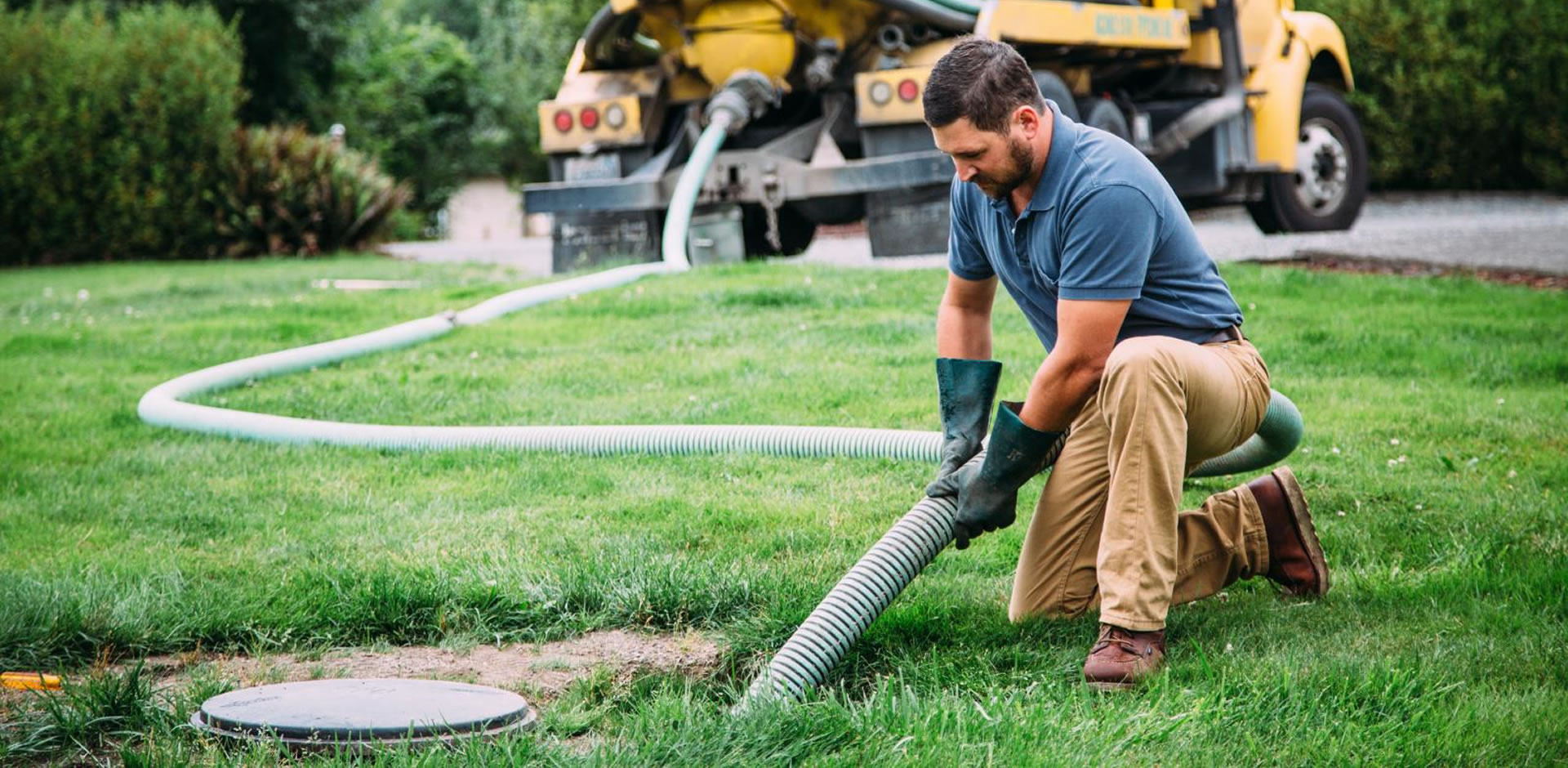
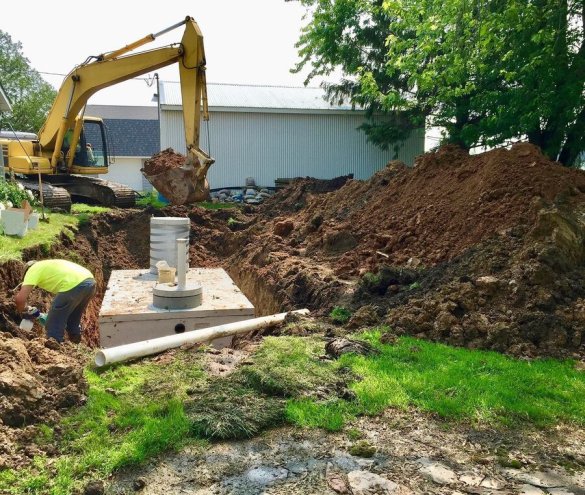
Out of sight really does mean out of mind for most homeowners with underground waste systems. Your septic tank is working around the clock, breaking down solids, separating layers, and sending liquids out to the drain field, whether you're at work, on vacation, or sound asleep. At Septic Pumping of Raleigh, we've seen what happens when people forget about the busy system beneath their yard. Keep reading to find out what's going on down there and why it matters so much.
The moment wastewater enters your septic tank, it begins to separate into distinct zones. Heavy solids sink to the bottom and form a layer called sludge. This layer contains everything that won't break down quickly, like food, toilet paper remnants, and inorganic materials. Fats, oils, and grease float to the top and create a scum layer. You might be surprised how much cooking oil and soap residue accumulates here over months of normal use. The middle section holds relatively clear liquid known as effluent. This separation happens naturally through gravity and takes about 24 to 48 hours to complete. The effluent layer is the only portion designed to exit the tank and move toward the drain field. When the sludge layer grows too thick, it starts to invade the effluent zone. The contamination can push solids into the drain field and cause expensive damage. Clogged drain field pipes cost thousands of dollars to replace. Regular septic tank pumping removes the sludge before it reaches a critical point. Most tanks need pumping every three to five years, though household size and water usage affect that timeline. A family of five produces more waste than a retired couple, and garbage disposals increase solid accumulation. Consistent septic maintenance protects the layers and keeps the system working as designed.
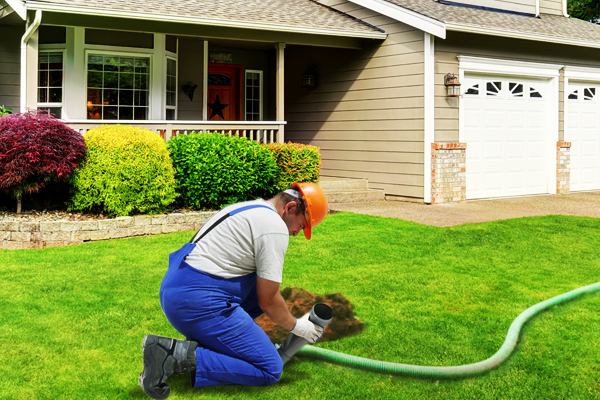
Your septic tank hosts billions of anaerobic bacteria that survive without oxygen. These microorganisms consume organic waste and convert it into gases and liquids. The process starts the second waste enters the tank and continues nonstop throughout the day and night. Bacteria break down toilet paper, food, and human waste into simpler compounds. The biological activity reduces the volume of solid material in the tank by about 40 to 50 percent. Without bacterial digestion, your tank would fill with solids in a matter of months rather than years. The bacteria don't need feeding, heating, or any intervention from you. They reproduce on their own and maintain a population as long as conditions stay favorable. Harsh chemicals threaten the delicate ecosystem. Bleach, antibacterial soaps, paint thinners, and drain cleaners can all kill the beneficial organisms in large numbers. Even small amounts of certain substances disrupt the microbial balance. A tank with dead or diminished bacteria stops processing waste efficiently and fills with solids much faster than expected. You might notice odors or slow drains as the first sign that bacteria are dying in large numbers. Scheduling septic service with a professional technician includes testing for bacterial activity and identifying chemical imbalances inside the tank.
Effluent exits the tank through an outlet pipe positioned near the top of the container. A baffle or filter at this outlet prevents floating scum from escaping with the liquid. The pipe connects to your drain field, which is also called a leach field or absorption field. The drain field consists of perforated pipes buried in gravel trenches across a designated area of your yard. Effluent flows into these pipes and seeps through small holes into the surrounding gravel bed. From there, it filters down through layers of soil at a controlled rate. Soil acts as a natural treatment system that handles the final stage of waste processing. Bacteria living in the ground consume remaining pathogens and nutrients before the water reaches the groundwater table. A properly sized drain field can process hundreds of gallons of effluent per day without any mechanical assistance. The system relies on unsaturated soil to work correctly and absorb the liquid load. Compacted ground from parking vehicles on the drain field area reduces absorption capacity. Tree roots can penetrate perforated pipes and block the flow of effluent. Waterlogged conditions from poor drainage or large amounts of rainfall overwhelm the system's ability to disperse liquid. A local septic company in Holly Springs can inspect your drain field's condition and measure sludge levels inside the tank as well as outlet baffles.
Several symptoms indicate your septic system needs immediate services. Slow drains throughout the house suggest the tank has reached capacity or a blockage exists in the main line connecting your home to the tank. A single slow drain points to a localized clog, but multiple slow drains can indicate a systemic problem. Gurgling sounds from toilets and sinks point to air trapped in the plumbing system. These sounds occur when waste has nowhere to go and air bubbles back up through the pipes. Sewage odors near the tank location or above the drain field mean that gas is escaping somewhere it shouldn't. Sulfur smells are unpleasant and indicate potential cracks or failed seals. Wet spots or unusually green grass above the drain field mean that effluent is surfacing rather than absorbing into the soil. Your lawn shouldn't look healthier in one specific strip compared to the rest of the yard. Standing water in your yard after dry weather warrants investigation right away. Sewage backing up into the lowest drains in your home represents the most serious warning sign. When your tank hits capacity or the outlet gets completely blocked, a backup can happen. Ignoring these signs could cause contaminated groundwater, property damage, and repairs that far exceed what preventive care costs. Septic cleaning at the first sign of trouble keeps issues from becoming a full system failure. A thorough septic tank pumping may solve the problem completely if you catch it early enough.
Staying ahead with septic maintenance and keeping up with your service appointments means you're protecting your investment instead of paying for emergency repairs later. Professional septic cleaning doesn't cost anywhere near what you'd spend replacing a failed drain field or excavating a collapsed tank. Septic Pumping of Raleigh offers inspections, pumping, and repairs to property owners in the area. If you're looking for a trusted septic company, call us to schedule your appointment.
 22
May/22/2026
22
May/22/2026
There is a similarity between emergency septic back-ups and costly repairs – the red flags were neglected! Most times, homeowners appear…
 12
May/12/2026
12
May/12/2026
Most homeowners know they are supposed to schedule septic tank pumping every few years. What many do…
 06
May/06/2026
06
May/06/2026
Septic systems do not malfunction suddenly! The failure starts with ordinary habits that seem harmless at the time. A little grease…
 30
Apr/30/2026
30
Apr/30/2026
Septic systems take a beating from the seasons, and most homeowners have no idea it's happening until there's already a problem.…