Menu

Get It Safely Pumped Today
Get It Safely Pumped Today
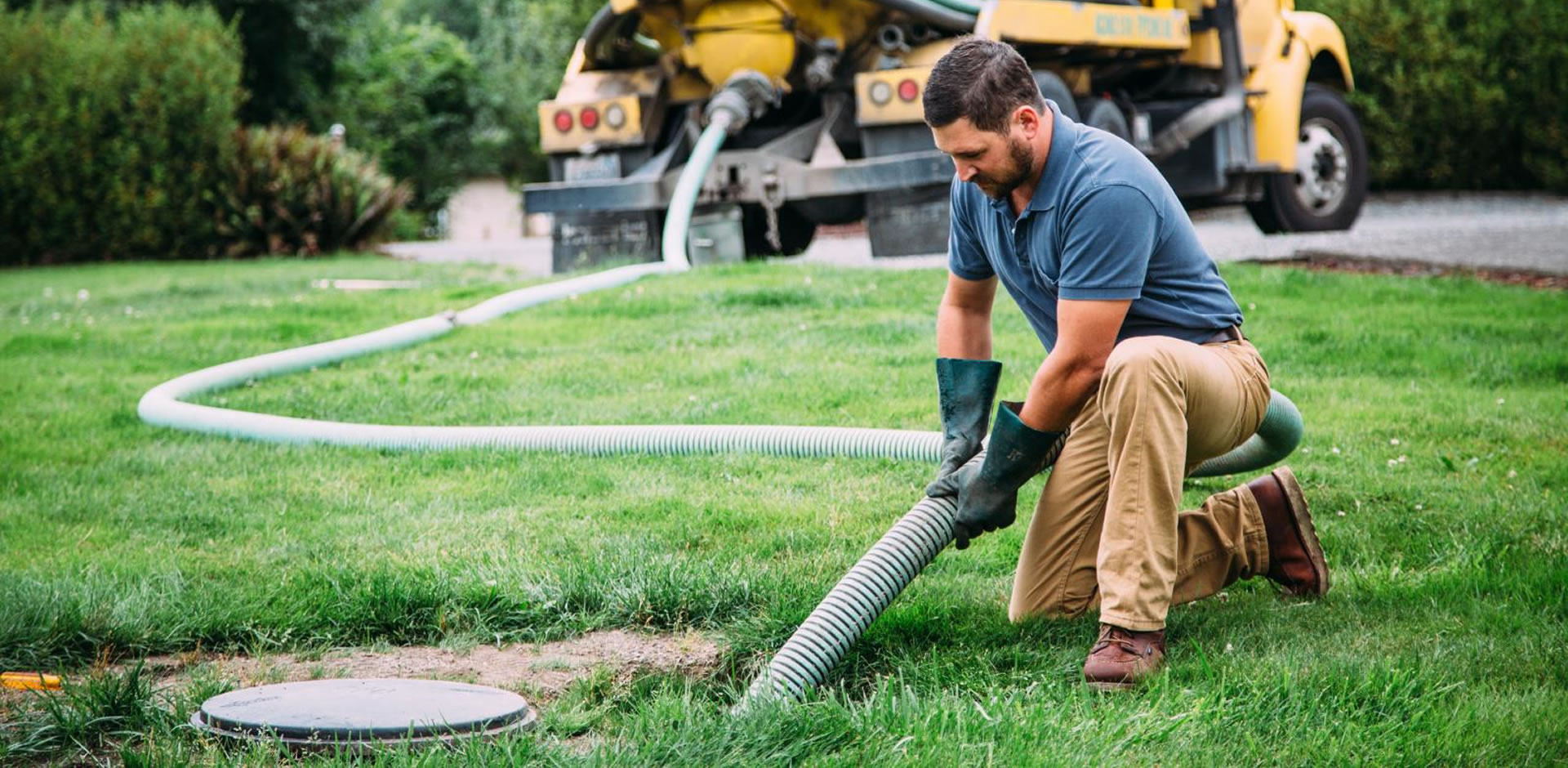
Your septic system is just like any other hardworking part of your home. It accumulates wear, buildup, and strain. A lot of homeowners view pumping as only emptying a tank, but there's much more happening during your septic service. Understanding why septic tank pumping is a system reset changes how you handle maintenance and helps you get more life out of your system. At Septic Pumping of Raleigh, every service call is an opportunity to evaluate how your system is performing and catch issues early. Keep reading to find out what happens during a pumping and how being proactive can save you money.
Your septic tank separates incoming waste into three layers. Heavy solids will sink to the bottom to form the sludge layer. Grease, oils, and lighter materials float to the top and become scum. The middle layer holds clear liquid that eventually flows out to your drain field. Between pumpings, the sludge layer grows thicker with every flush, shower, and load of laundry. The scum layer expands too, creating a narrowing band of usable space in the middle. Kitchen waste adds fats that congeal and harden. Bathroom products add synthetic materials that bacteria can't break down. Over three to five years, a tank can lose 30 to 40 percent of its working volume to accumulated solids. The lost space forces wastewater through the system too quickly, and gives solids less time to separate before liquid exits toward the drain field. The buildup also compresses the zone where beneficial bacteria do their work, which reduces the biological activity that treats waste naturally.
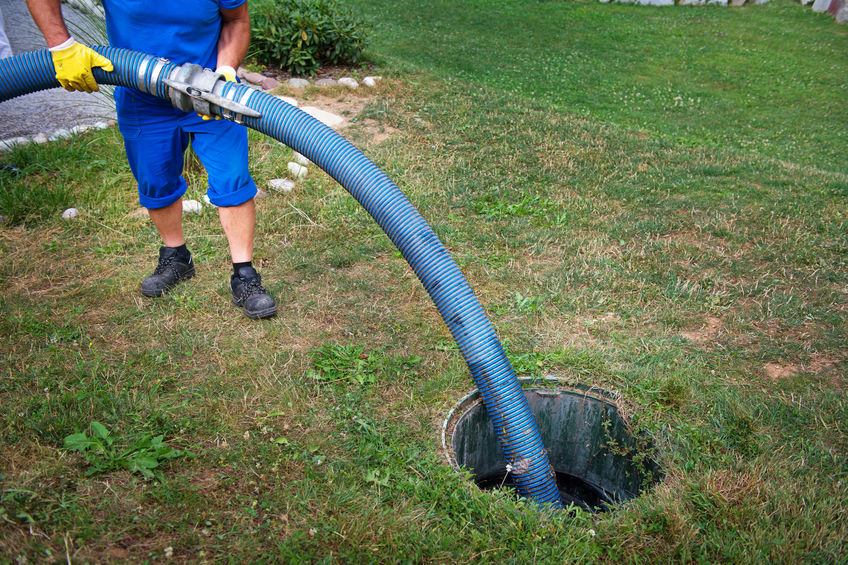
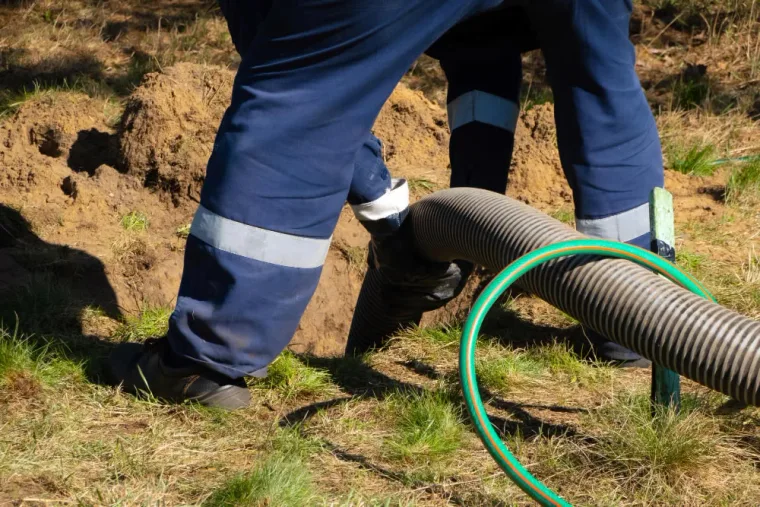
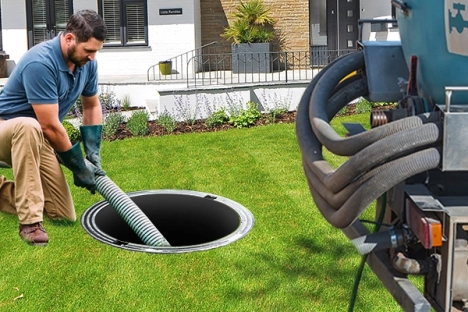
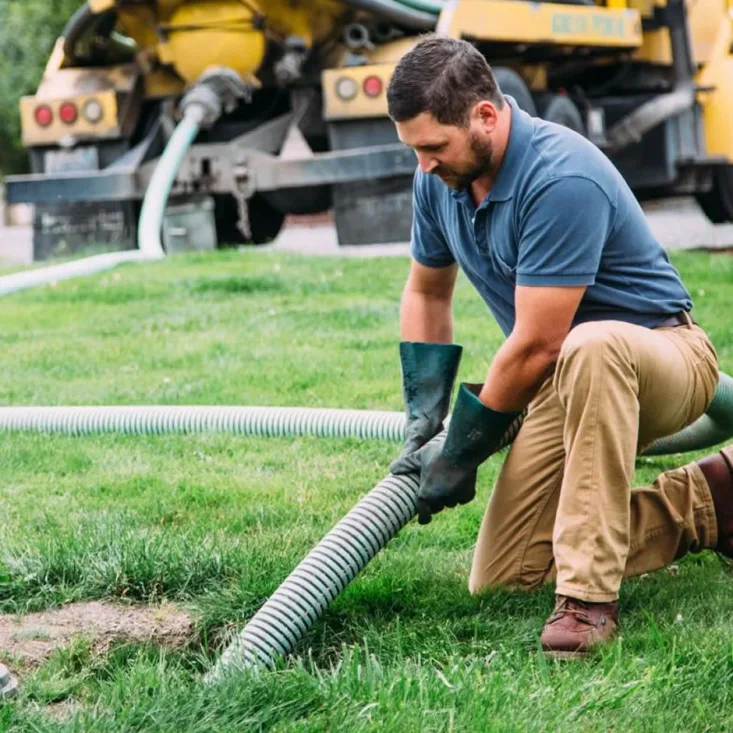
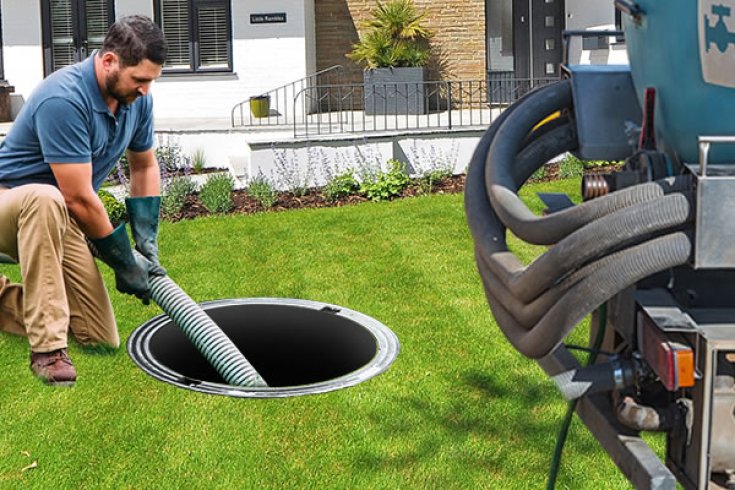
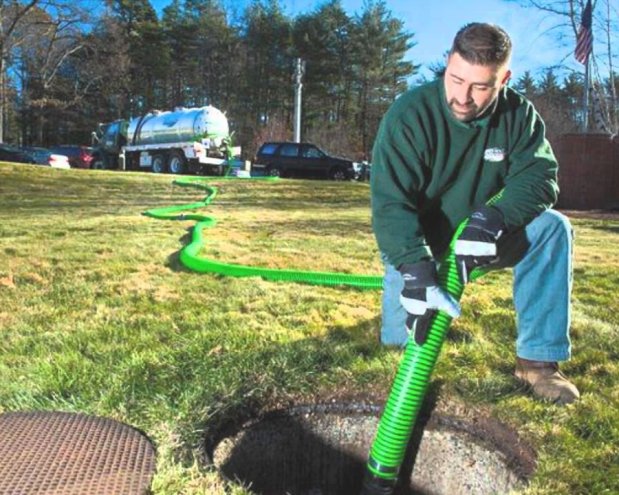
A proper septic cleaning removes the sludge and the scum layer, not just the liquid in between. The technician inserts a hose that reaches the tank bottom and extracts everything down to the concrete or fiberglass floor. The process restores the original volume your tank was designed to hold. With full capacity returned, incoming waste has enough space and time for proper separation. Heavier particles settle completely before liquid reaches the outlet baffle. The extra volume also means your household can handle peak usage days, like holiday gatherings or when guests stay over, without pushing the system over its limits. After pumping, the tank refills with wastewater that establishes new layers from scratch. This gives the entire separation process a clean starting point rather than forcing new waste to compete with years of accumulated material. It reestablishes the ratio between processing space and waste load that your system needs to work well.
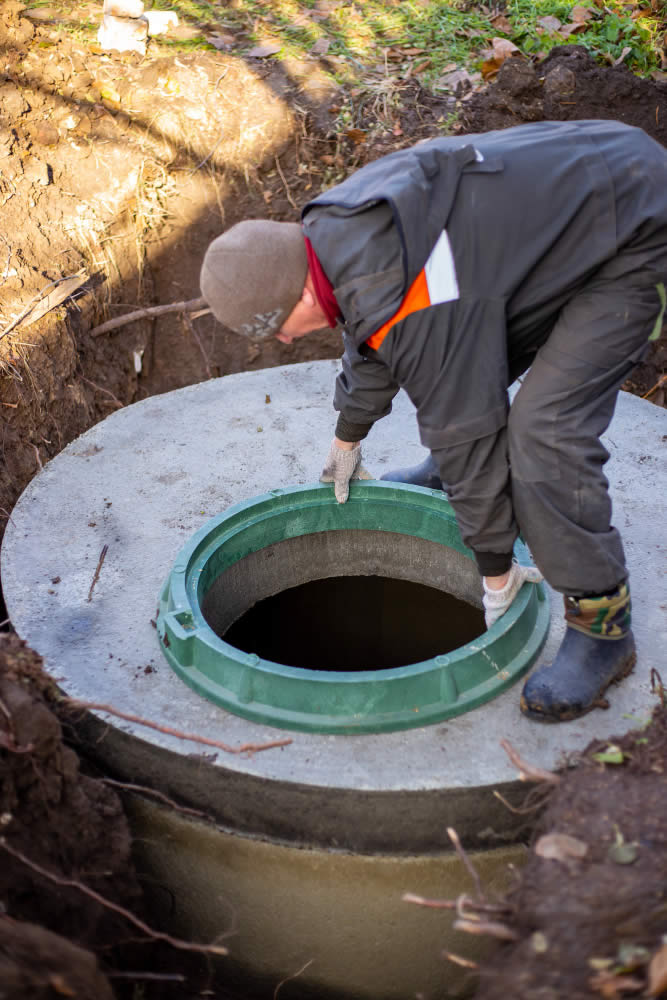
When a technician pumps your tank, they get direct visual access to components that stay hidden the rest of the time. The inlet baffle, which directs incoming waste downward to prevent surface disturbance, can show if there's damage. The outlet baffle, which holds back solids while allowing liquid to exit, can be checked for cracks, deterioration, or blockages. Tank walls also reveal their condition once emptied. Cracks, root intrusion points, and signs of groundwater infiltration become apparent only when the tank sits empty. A septic service in Rolesville includes this visual inspection. The technician checks the structural integrity of concrete seams and examines the condition of risers and lids. This inspection catches problems before they can lead to expensive failures. A cracked baffle costs a few hundred dollars to replace during a scheduled visit. If the same crack is left unnoticed, it could allow solids into your drain field and destroy a system component that costs thousands to repair or replace.
Your drain field handles the final treatment and dispersal of wastewater, but it can't process solid material. The entire septic design assumes that solids stay in the tank while only liquid reaches the distribution pipes and surrounding soil. When tanks go too long between pumpings, accumulated sludge rises high enough to escape through the outlet. Suspended solids travel with the liquid and enter the drain field pipes. The particles settle inside the perforated distribution lines and clog the holes that release water into the soil. Solids that make it past the pipes accumulate in the gravel bed and soil, and create a biological mat that blocks absorption. A clogged drain field can't be pumped or cleaned. Replacement requires excavation, new materials, and installation costs that typically run between eight and fifteen thousand dollars. Routine septic maintenance protects your investment by making sure solids never leave the tank in the first place. Each pumping resets the sludge level to zero and gives your drain field another three to five years of receiving only the liquid it's supposed to handle.
The homeowners who spend the least on their septic systems are the ones who pump on a schedule instead of just waiting for warning signs. Slow drains, sewage odors, and wet spots in the yard indicate a system is already under duress. At that point, the damage may go past the tank itself. Scheduling a pump every three to five years keeps the entire system operating. Proactive maintenance costs a few hundred dollars per service. Waiting until problems arise can multiply the cost by ten or twenty times when drain field damage enters the equation. Your septic company can track your service history and send reminders when your next pumping is approaching, so you never push your system past its window.
Are you looking for a local septic company in Raleigh? Reach out to our team today for dependable septic maintenance. We know your septic system works hard every day, and it needs more than crisis management. Schedule your next appointment with Septic Pumping of Raleigh and let us perform the full reset your system needs to protect your home and your investment. Our friendly staff is available to answer any of your questions or to book a time that works best for you.
 30
Apr/30/2026
30
Apr/30/2026
Septic systems take a beating from the seasons, and most homeowners have no idea it's happening until there's already a problem.…
 18
Apr/18/2026
18
Apr/18/2026
Most homeowners know their septic system needs attention at some point. Very few know how quickly skipping maintenance can turn into…
 08
Apr/08/2026
08
Apr/08/2026
That beeping sound coming from your septic system is not something to silence and forget about. At Septic Pumping of Raleigh,…
 06
Apr/06/2026
06
Apr/06/2026
Scheduling a septic maintenance appointment is something homeowners know they should do, but often put off because they're not sure what…