Menu

Get It Safely Pumped Today
Get It Safely Pumped Today
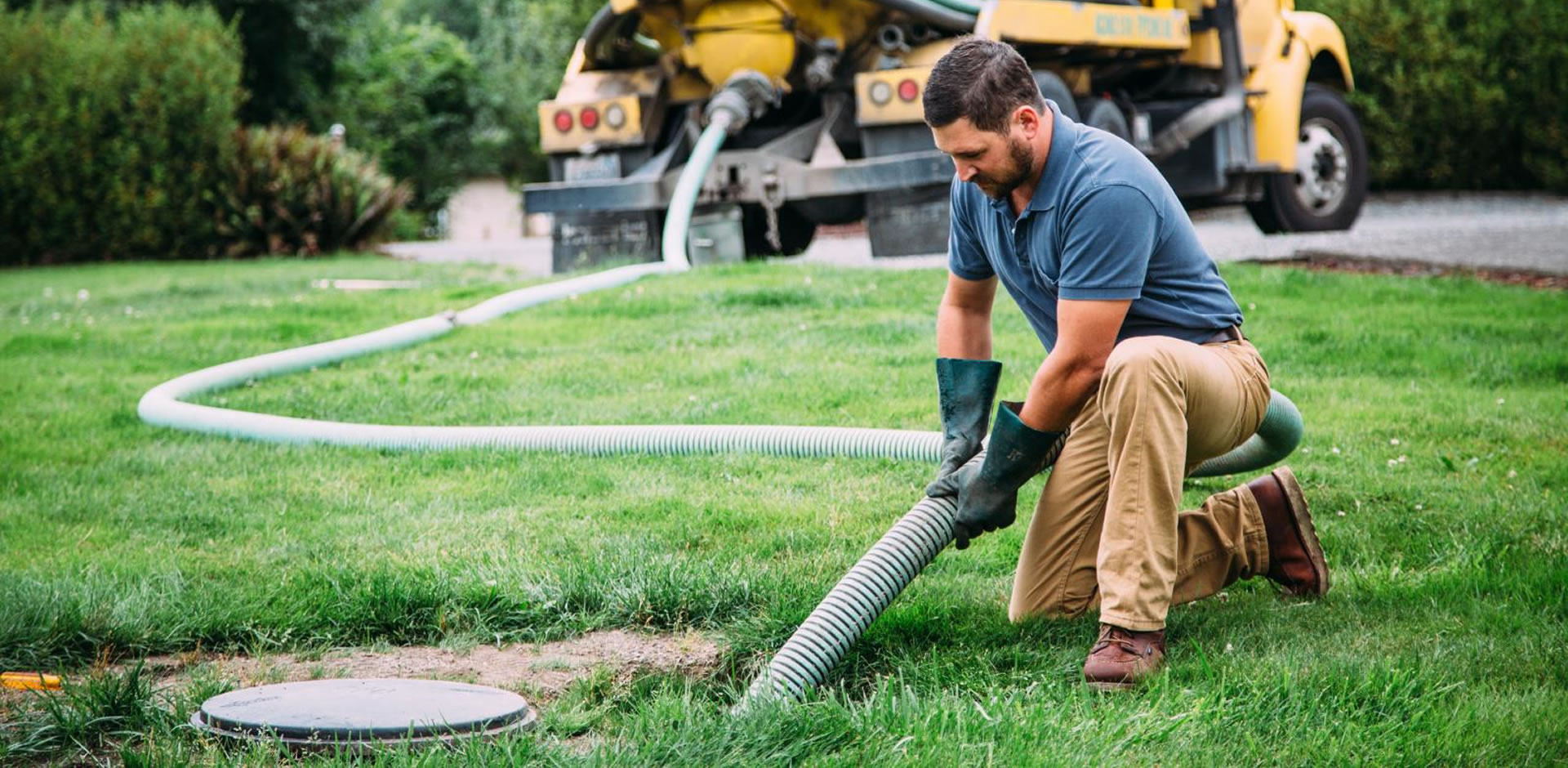
Three distinct layers sit inside your septic tank right now, and each one plays a different role in how your system processes waste. At Septic Pumping of Raleigh, we spend our days looking at these layers and reading what they tell us about a system's health. Scum, sludge, and effluent are the vocabulary of septic maintenance, and knowing them helps you understand what's happening underground. We're breaking down each layer so you'll recognize the warning signs of trouble and know exactly what we mean during your next service appointment.
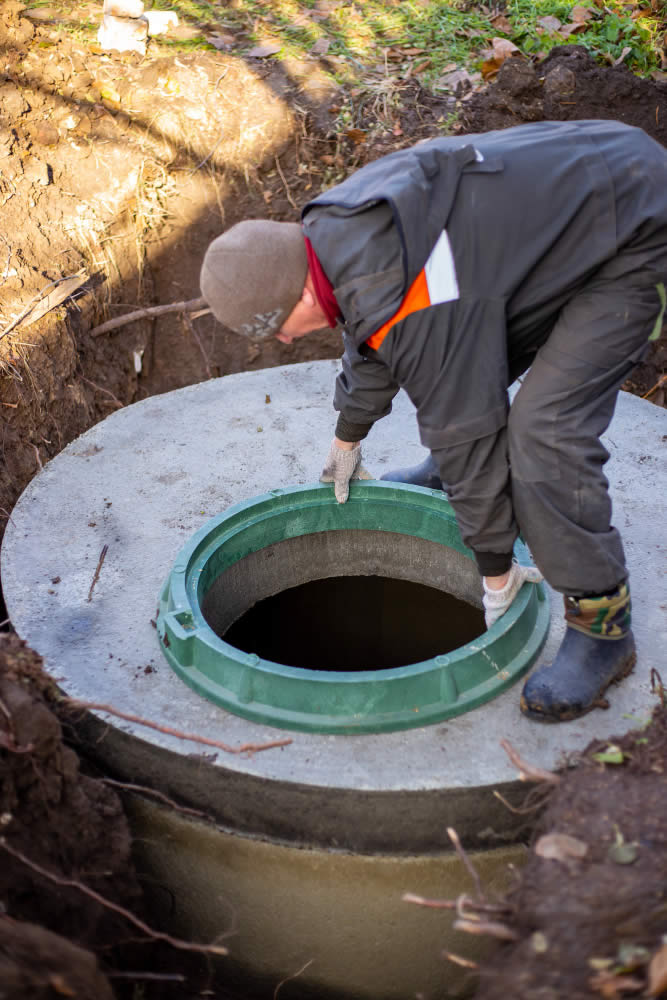
Your septic tank functions as a separation chamber. Wastewater enters from your home and immediately begins sorting itself by density. Lighter materials rise to the surface and form a floating cap called scum. Heavy solids sink to the bottom and create a thick deposit called sludge. The liquid between these two layers is effluent, and it's the only material that should ever leave your tank and travel to the drain field. This separation happens continuously, 24 hours a day, without any mechanical parts or electricity. Bacteria inside the tank break down organic matter and reduce the volume of solids, but they can't eliminate everything. That's where septic tank pumping comes into the picture. During a septic maintenance visit, professionals remove the accumulated scum and sludge before they reach levels that interfere with the separation process or escape into your drain field. Each layer has a job, and each layer requires monitoring. When one grows too thick or too thin, the entire system loses efficiency.
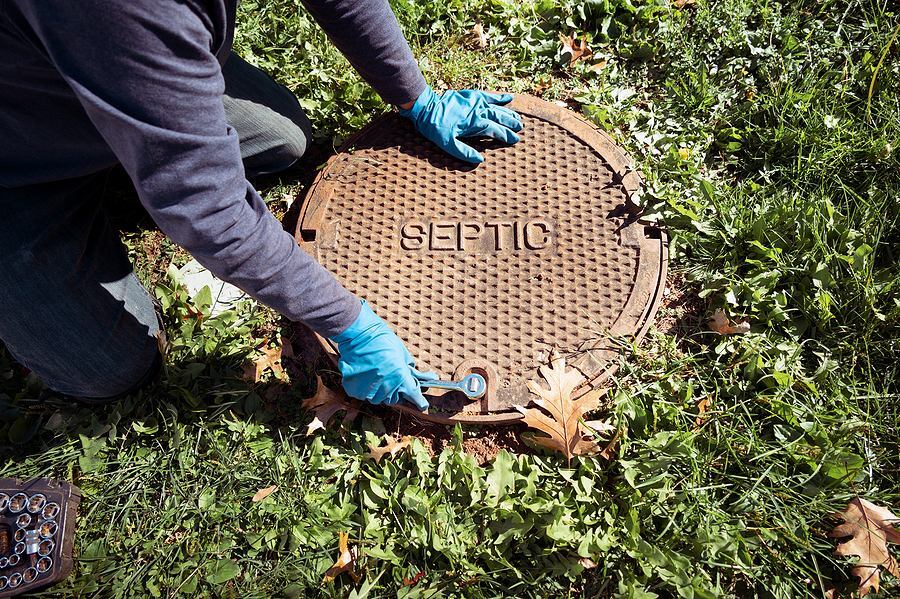
Scum consists of fats, oils, greases, and lightweight debris that refuse to mix with water. Every time you wash dishes, shower, or run a load of laundry, these materials enter your tank and rise to the top. Cooking grease is a major contributor. So are soaps, lotions, and food that don't dissolve. Over weeks and months, this floating layer thickens into a dense mat that can reach several inches deep. The scum layer actually serves a protective purpose. It caps the tank and limits oxygen exposure to the liquid below, which helps anaerobic bacteria thrive. These bacteria are essential for breaking down waste. However, too much scum creates problems. When the layer grows beyond six inches, it starts crowding the inlet pipe where wastewater enters. Backups become more likely. Septic cleaning removes the buildup and restores proper inlet clearance. You can slow scum accumulation by scraping plates into the trash before washing and avoiding pouring grease down the drain. These small habits reduce the workload on your tank and extend the time between service visits.
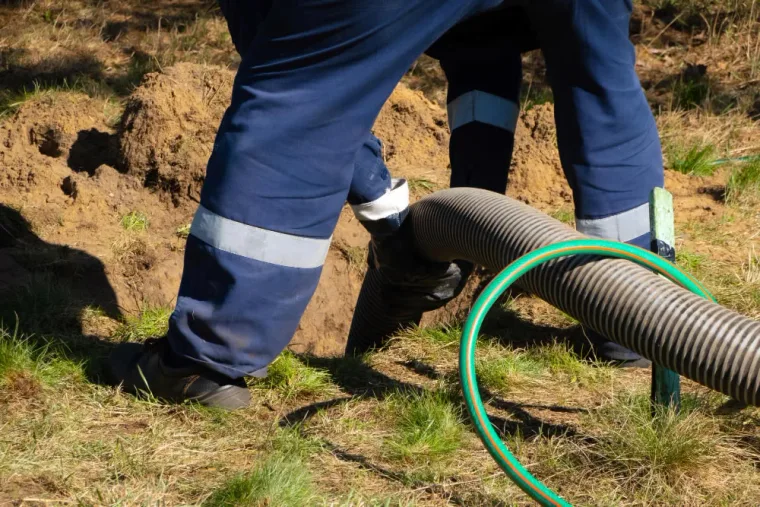
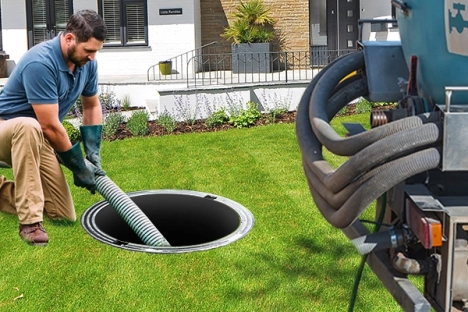
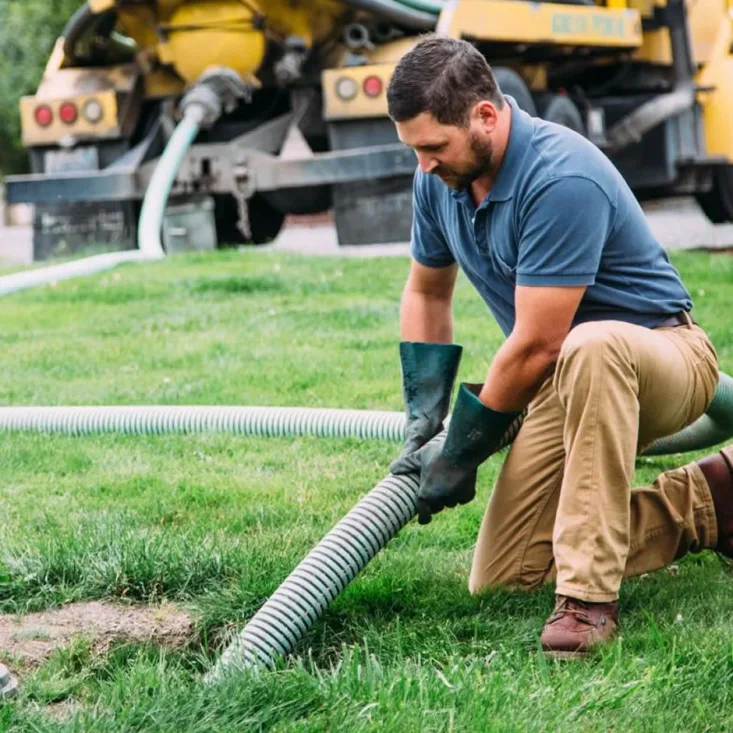
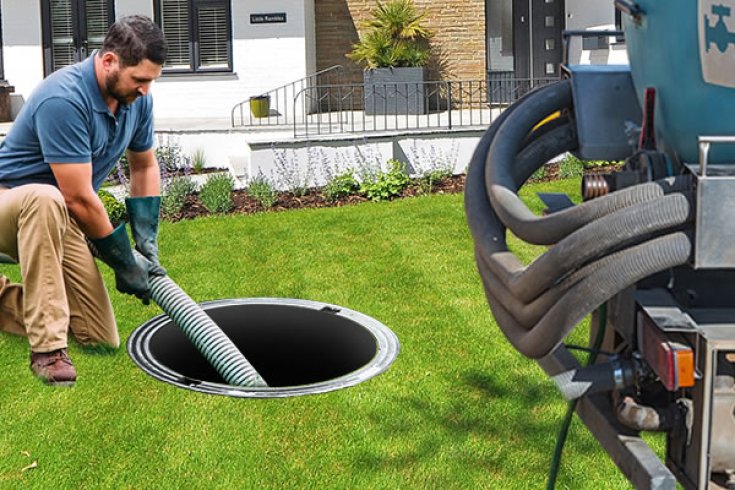
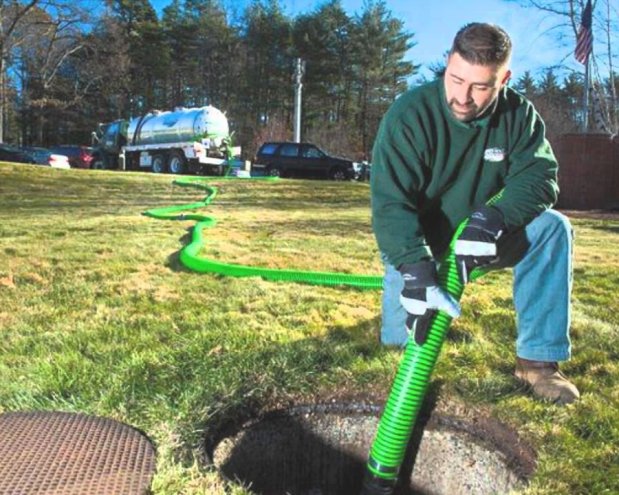
Sludge collects at the tank bottom and contains everything too heavy to float. This includes human waste, food, dirt, and inorganic materials that bacteria cannot digest. Toilet paper breaks down slowly and contributes to sludge volume. Items that should never enter a septic system, like wipes, feminine products, and dental floss, sink directly to the bottom and stay there permanently. Bacteria work on the organic portion of sludge and convert some of it into gas and liquid, but a solid residue always remains. The sludge layer grows continuously and never disappears on its own. When it reaches about twelve inches deep, or when combined scum and sludge occupy more than one-third of tank capacity, septic tank pumping becomes necessary. A technician inserts a hose through the access port and vacuums out the accumulated solids. Ignoring sludge buildup leads to serious consequences. The layer rises high enough to block the outlet baffle, and solids escape into your drain field. Once there, they clog the perforated pipes and the soil absorption area. Drain field repairs cost thousands of dollars and require extensive excavation.
Several indicators reveal when scum or sludge levels have exceeded safe limits. Slow drains throughout your home suggest the tank is running out of capacity. Gurgling sounds in pipes mean air is trapped because wastewater can't flow freely into the tank. Sewage odors near the tank location or around floor drains indicate gas is escaping through improper channels. Pooling water or unusually green grass above the drain field signals that effluent contains solids. Your toilet may flush sluggishly or require multiple attempts. Sinks and showers might back up simultaneously rather than one at a time. Any of these symptoms warrants a call to a qualified septic company. A technician can measure layer depths and determine whether pumping is needed. Catching imbalances early prevents wastewater from contaminating your yard or backing up into your home. Regular inspections also reveal other issues like damaged baffles, cracked lids, or root intrusion. Most experts recommend scheduling a septic service every three to five years, though households with garbage disposals or higher occupancy may need more frequent attention. Tracking your pumping history helps predict when your next appointment should occur.
Understanding what sits inside your tank gives you power over your system's future. Scum, sludge, and effluent exist in a delicate balance that depends on responsible use and professional care. Avoid flushing anything besides human waste and toilet paper. Spread laundry loads across the week instead of running multiple cycles in one day. Fix leaky faucets and running toilets that add unnecessary water volume to your tank. These practices preserve layer balance and protect your drain field from premature failure.
At Septic Pumping of Raleigh, we inspect layer depths at every visit and give you honest assessments of your system's condition. Our technicians explain what they find and answer your questions. When you need septic cleaning in Raleigh, NCor a routine inspection, we arrive on schedule and complete the work efficiently. Schedule your next septic service with Septic Pumping of Raleigh and stay ahead of repairs.
 30
Apr/30/2026
30
Apr/30/2026
Septic systems take a beating from the seasons, and most homeowners have no idea it's happening until there's already a problem.…
 18
Apr/18/2026
18
Apr/18/2026
Most homeowners know their septic system needs attention at some point. Very few know how quickly skipping maintenance can turn into…
 08
Apr/08/2026
08
Apr/08/2026
That beeping sound coming from your septic system is not something to silence and forget about. At Septic Pumping of Raleigh,…
 06
Apr/06/2026
06
Apr/06/2026
Scheduling a septic maintenance appointment is something homeowners know they should do, but often put off because they're not sure what…