Menu

Get It Safely Pumped Today
Get It Safely Pumped Today
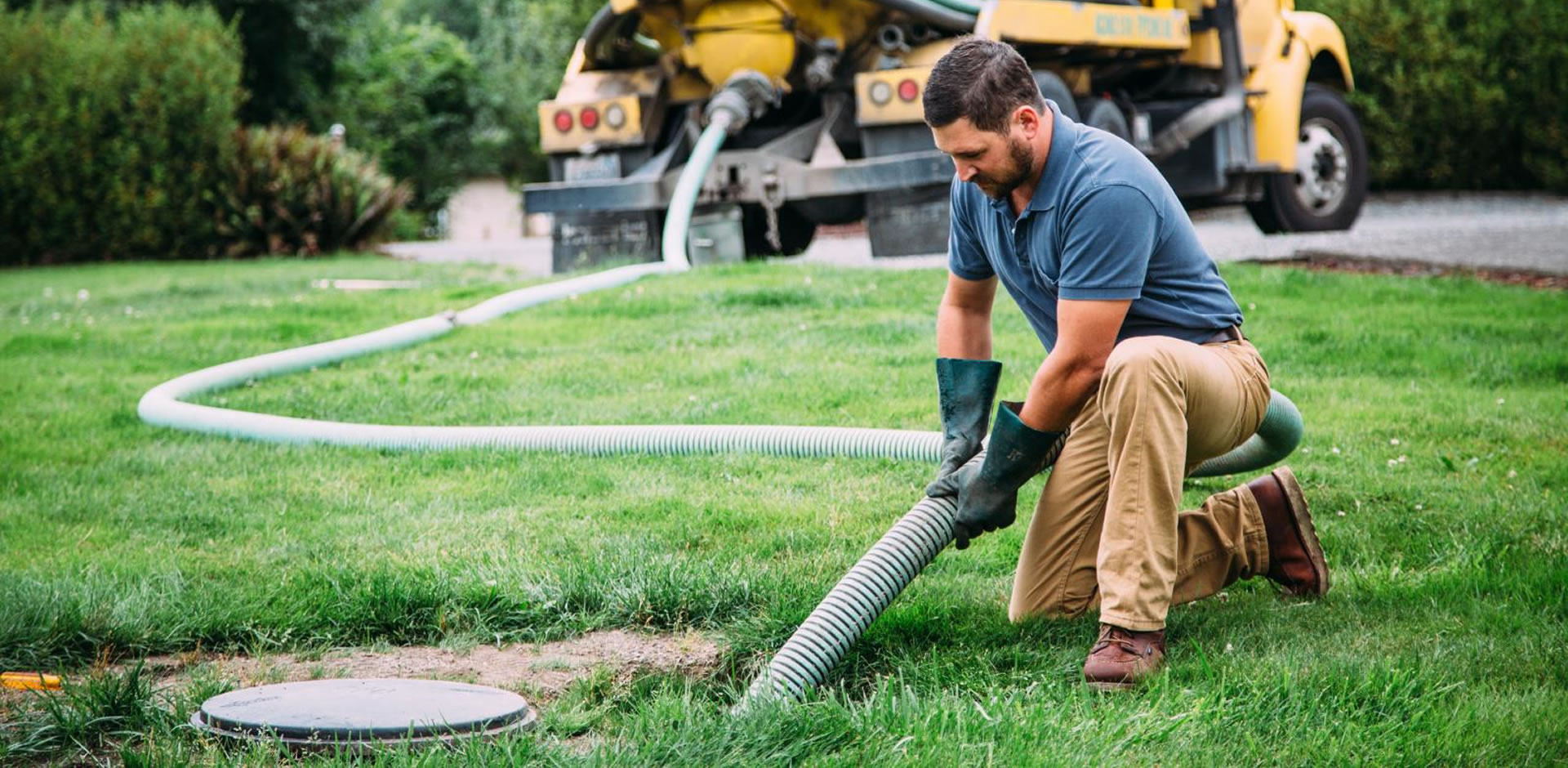
A full tank does not start out as a crisis. It builds and gives you small signals before anything dramatic shows up. Skipping septic pumping or letting regular septic tank cleaning slide sets that slow buildup in motion. Most homeowners don't notice the early signs because the system hides underground. By the time something shows inside the house, the tank is already past its limit. Read more to find out what actually happens under your yard when the tank fills up and shows why a simple routine saves you from repairs that cost more than a maintenance visit.
Waste enters the tank, and the solids settle to the bottom, and the liquids move out into the drainfield. That pattern holds up only when the tank has room. As solids collect, the liquid level rises inch by inch. The tank still works at first, but the margin starts to shrink. Each flush pushes the system closer to the top. When the tank has no space left to separate anything, the flow inside gets chaotic. Solids start floating in suspension, and they drift toward the outlet pipe instead of staying settled. Once that takes place, the risk increases fast because the system can no longer slow the waste down. Homeowners may notice slower drains or gurgling sounds. Those signals show that the tank is filling past the point where it can work as designed. A septic tank cleaning pulls the level back down, but if you ignore maintenance, then the liquid has nowhere to go except back toward the house or out into the yard.
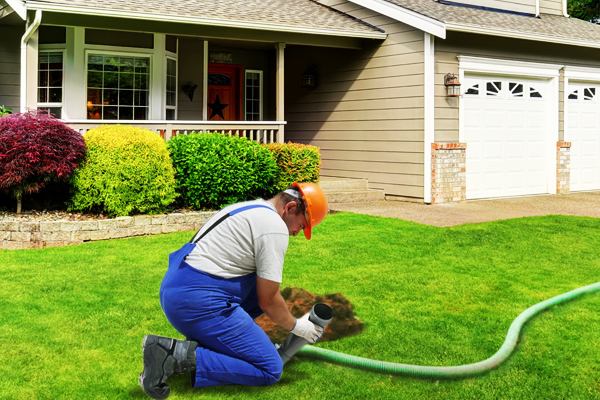
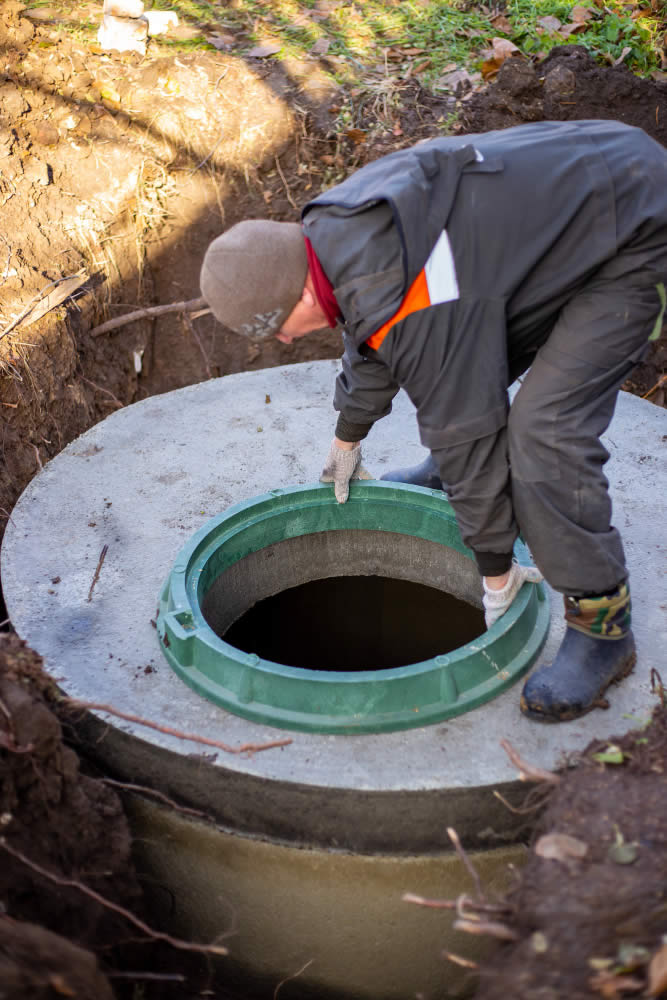
A tank at full capacity acts like a clogged bottle. The waste enters and pushes against the surface with no room to spread. The outlet pipe becomes the weakest point in the setup. Once solids reach that pipe, they lodge in the elbow and create a blockage. Each load from the dishwasher or laundry adds pressure. Drains in the lowest part of the house start to back up. Toilets may bubble or release bad smells, and sinks may slow to a crawl. In severe cases, sewage comes up through floor drains or tubs. Many homeowners think the issue is inside the plumbing system, but the real source sits in the yard where the tank has filled. A visit from a septic company exposes the true problem the moment they lift the lid. The tank level sits right at the top, and the solids are loose or unsettled. That means the system cannot recover without a full pump out. If you wait too long, the blockage can push deeper into the yard and reach the drainfield lines, which adds another major repair.
A drainfield relies on clean liquid leaving the tank at a controlled pace. When the tank fills to the top, the liquid carries solids that should never leave the chamber into the drainfield lines. Once there, they coat the gravel and soil with a black layer that blocks the pores. The field loses its ability to absorb liquid. Water then rises to the surface and saturates the yard. You may see patches of bright green grass or wet areas that stay soft long after the rest of the yard dries out. In some cases, the ground gives off a strong sewage odor after a heavy load of water from the house. This condition sets up a cycle that gets worse each week. The field can't dry out because new water arrives before the previous load can disperse. Soil that stays wet starts to compact. Roots from nearby plants enter the trenches and make the blockages even tighter. At this stage, a basic septic service call will not correct the field. A failed field is one of the most expensive home repairs. Regular care that pulls solids out of the tank prevents the field from damage. A single missed pump-out may not cause the failure right away, but each year without care pushes the system closer to that outcome.
A routine schedule acts like insurance for the entire system. When you plan a pump out before the tank reaches its limit, you keep the solids where they belong. You also give a technician a chance to inspect the baffles, the lid, and the outlet. Each part keeps waste inside the tank and away from the field. Households with young kids, frequent guests, or heavy laundry loads need service more frequently than a household with two adults who use water more sparingly. A good septic company can help you figure out a timeline that fits your needs. Many homeowners wait for signs before they schedule work, but those warnings tell you that the tank is already past the safe zone. The goal is to prevent backups and keep the field healthy. Regular septic pumping and timely septic service keep the system in a range where everything inside the tank stays predictable. When the tank gets attention on a schedule, the field receives cleaner water, which keeps the soil open and able to handle the load. In the long run, this saves money and protects your yard. You avoid emergency calls and enjoy the comfort of a system that works without trouble.
A full tank creeps up on homeowners. It starts with a small rise in solids, turns into suspended waste, and then sends those solids out into the yard, where they harm the field. Backups inside the house and wet spots in the yard show up once the system has passed the safe limits. Call Septic Pumping of Raleigh today for reliable help that keeps your system in good shape.
 22
May/22/2026
22
May/22/2026
There is a similarity between emergency septic back-ups and costly repairs – the red flags were neglected! Most times, homeowners appear…
 12
May/12/2026
12
May/12/2026
Most homeowners know they are supposed to schedule septic tank pumping every few years. What many do…
 06
May/06/2026
06
May/06/2026
Septic systems do not malfunction suddenly! The failure starts with ordinary habits that seem harmless at the time. A little grease…
 30
Apr/30/2026
30
Apr/30/2026
Septic systems take a beating from the seasons, and most homeowners have no idea it's happening until there's already a problem.…