Menu

Get It Safely Pumped Today
Get It Safely Pumped Today
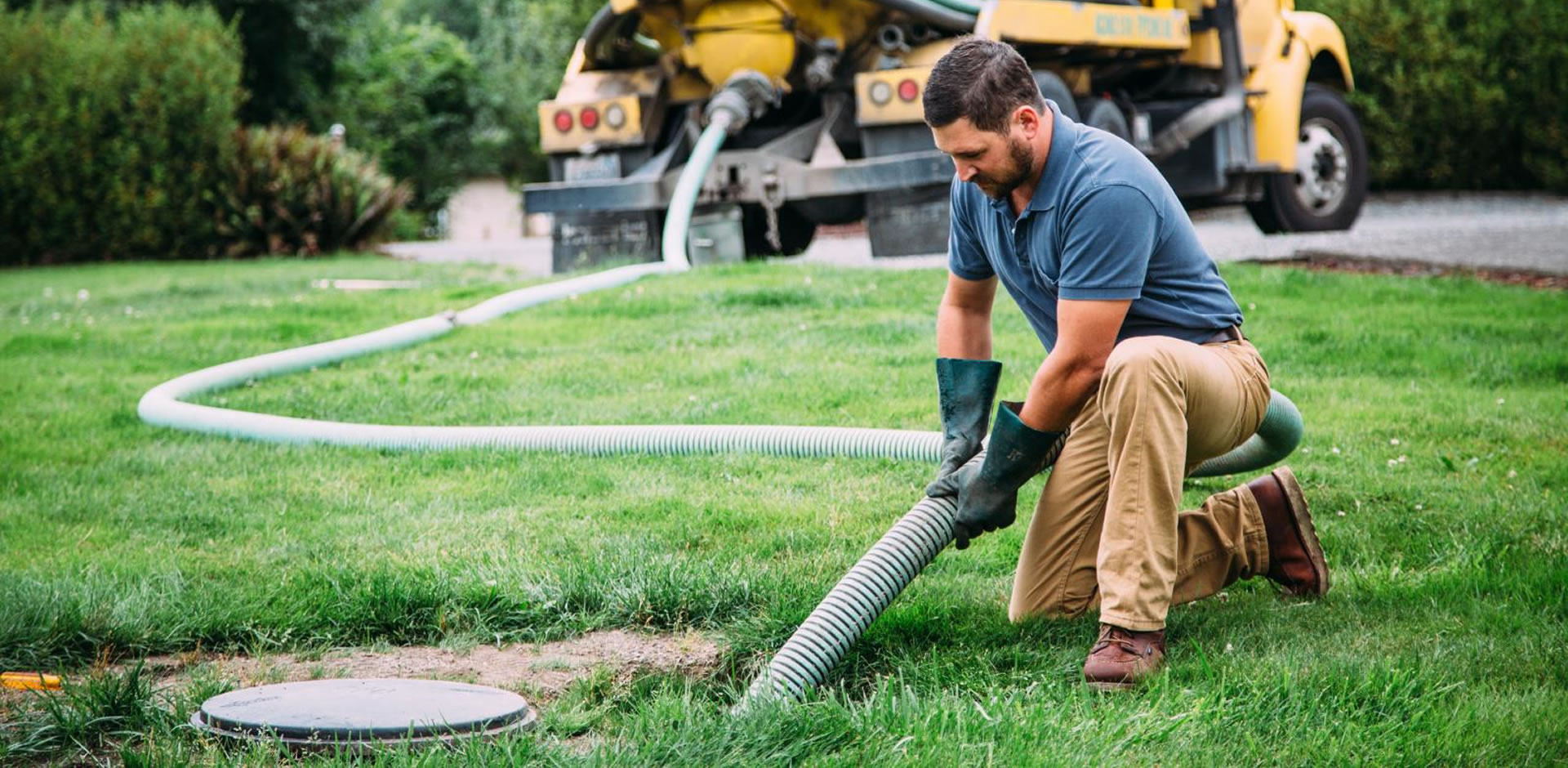
Septic systems come with a surprising amount of misinformation attached to them, and some of these myths have been passed down for generations without anyone stopping to check if they're actually true. At Septic Pumping of Raleigh, we hear these septic myths regularly from homeowners who are trying to do the right thing for their system but have been working off bad advice. Some misconceptions are harmless, but others can lead to expensive repairs, premature system failure, or habits that do more damage than good. We've been servicing septic systems long enough to know what works, what doesn't, and where the confusion usually comes from. Keep reading to get the right answers on pumping frequency, additives, what you can flush, and the other topics that trip people up the most.
This myth probably causes more system failures than any other. By the time you notice a sewage backup, slow drains, or wet spots in the yard, your tank has already reached a critical point. Solid waste has accumulated past safe levels and started pushing into your drain field. Once solids enter the distribution lines, the damage becomes permanent. Biomat forms in the soil, clogs the absorption area, and blocks effluent from draining properly. Drain field repairs run anywhere from $5,000 to $20,000 depending on the scope of work required. Complete replacement costs even more and disrupts your entire property for days. Routine septic tank pumping prevents this scenario. Most households need their tank pumped every three to five years, but the exact timeline depends on tank size, household size, and water usage patterns. A family of four with a 1,000 gallon tank will hit capacity faster than a couple with a 1,500 gallon tank. Waiting for visible symptoms means you've skipped past the window for septic maintenance and moved into emergency territory. The tank separates solids from liquids and gives anaerobic bacteria time to break down organic matter. When you let it overfill, the biological process fails and your entire system pays the price.
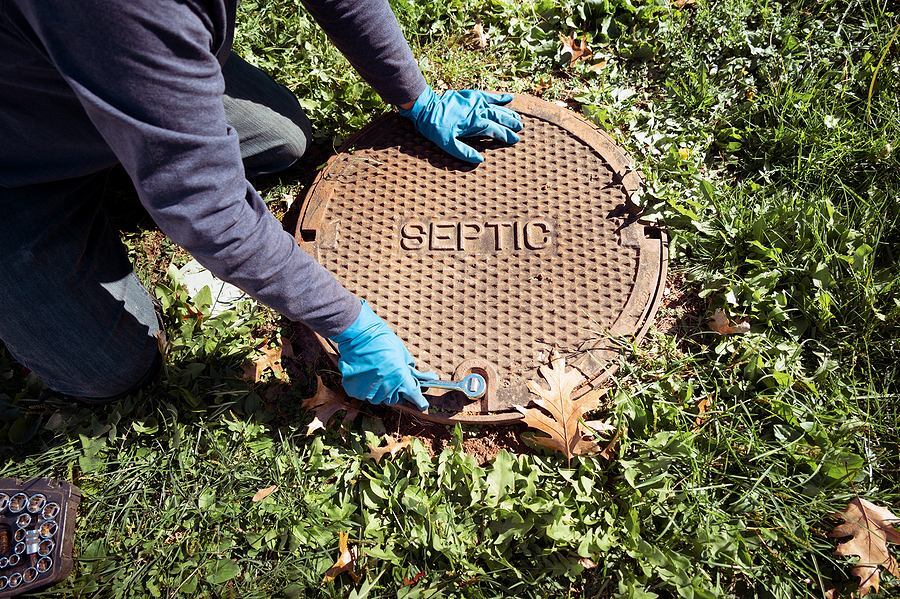
If you walk through any hardware store, you'll find products that promise to eliminate the need for professional septic cleaning. The labels claim their bacteria boosters or enzyme treatments will dissolve everything in your tank and keep it running indefinitely. The reality is your septic system already contains billions of bacteria that break down waste naturally. Adding more doesn't speed up the process in any meaningful way. The limiting factor isn't bacterial count, it's time and tank capacity. Some chemical additives actually harm the existing bacterial colony and make things worse. Others contain solvents that eat through tank components or emulsify grease so it flows into your drain field where it clogs soil pores permanently. The EPA and most state health departments advise against using septic additives for exactly this reason. No additive replaces septic service from a qualified technician with a pump truck. The breakdown process creates sludge at the bottom of your tank and scum at the top. Both layers must be physically removed through pumping. No liquid product dissolves the accumulated material. Save your money and put it toward service appointments instead of products that sound good but deliver nothing.
Your toilet will flush almost anything. That doesn't mean your septic system can process it. The bacteria in your tank evolved to break down human waste and toilet paper. Everything else sits there and occupies space. Flushable wipes demonstrate this perfectly. They don't break down like toilet paper, despite what the packaging claims. They catch on inlet and outlet baffles and accelerate how quickly your tank reaches capacity. Feminine hygiene products, cotton swabs, dental floss, and cat litter cause similar problems. Household chemicals create different issues altogether. Pouring paint, pesticides, or cleaning solvents down the drain kills the bacteria your system depends on for waste processing. Without an active bacterial colony, waste stops breaking down, and your tank becomes nothing more than a holding vessel that fills up fast. A single gallon of paint thinner can wipe out an entire tank's worth of beneficial bacteria in hours. The rule to stick to is that only human waste and toilet paper go down the toilet. Everything else belongs in the trash.
Your drain field handles the final stage of wastewater treatment. Effluent flows from the tank through perforated distribution pipes and filters into the surrounding soil. Aerobic bacteria in the soil complete the treatment process before the water rejoins the groundwater table. The soil must remain loose, dry, and oxygenated for proper absorption and bacterial activity. Building a shed, parking vehicles, or installing a patio over the pipes compresses the soil and crushes the lines underneath. Even riding mowers can cause damage if you make repeated passes over the same area week after week. Trees and large shrubs create different problems. Have roots that seek out moisture sources and will grow directly into the perforated pipes. Once roots infiltrate your distribution lines, they block flow and require expensive excavation to repair. Stick with grass over your drain field and nothing else. Don't let guests park there during parties or holiday gatherings. Keep heavy equipment away during any landscaping project. If you don't know exactly where your drain field sits on your property, schedule septic service and ask the technician to mark the boundaries with flags.
Septic systems work reliably for decades when owners understand how they work and what they require. Skip the additives, watch what you flush, and protect your drain field from compaction and root intrusion. Most importantly, schedule septic tank pumping on a regular cycle before problems show up in your yard or your house. Proactive septic maintenance costs a fraction of emergency repairs and can extend system life by twenty years or more. When you need septic cleaning or have questions about your system's condition, call Septic Pumping of Raleigh. As a local septic company, we know the clay soils and water table conditions that affect systems throughout this area. Contact us today to schedule an inspection or pumping appointment.
 22
May/22/2026
22
May/22/2026
There is a similarity between emergency septic back-ups and costly repairs – the red flags were neglected! Most times, homeowners appear…
 12
May/12/2026
12
May/12/2026
Most homeowners know they are supposed to schedule septic tank pumping every few years. What many do…
 06
May/06/2026
06
May/06/2026
Septic systems do not malfunction suddenly! The failure starts with ordinary habits that seem harmless at the time. A little grease…
 30
Apr/30/2026
30
Apr/30/2026
Septic systems take a beating from the seasons, and most homeowners have no idea it's happening until there's already a problem.…