Menu

Get It Safely Pumped Today
Get It Safely Pumped Today
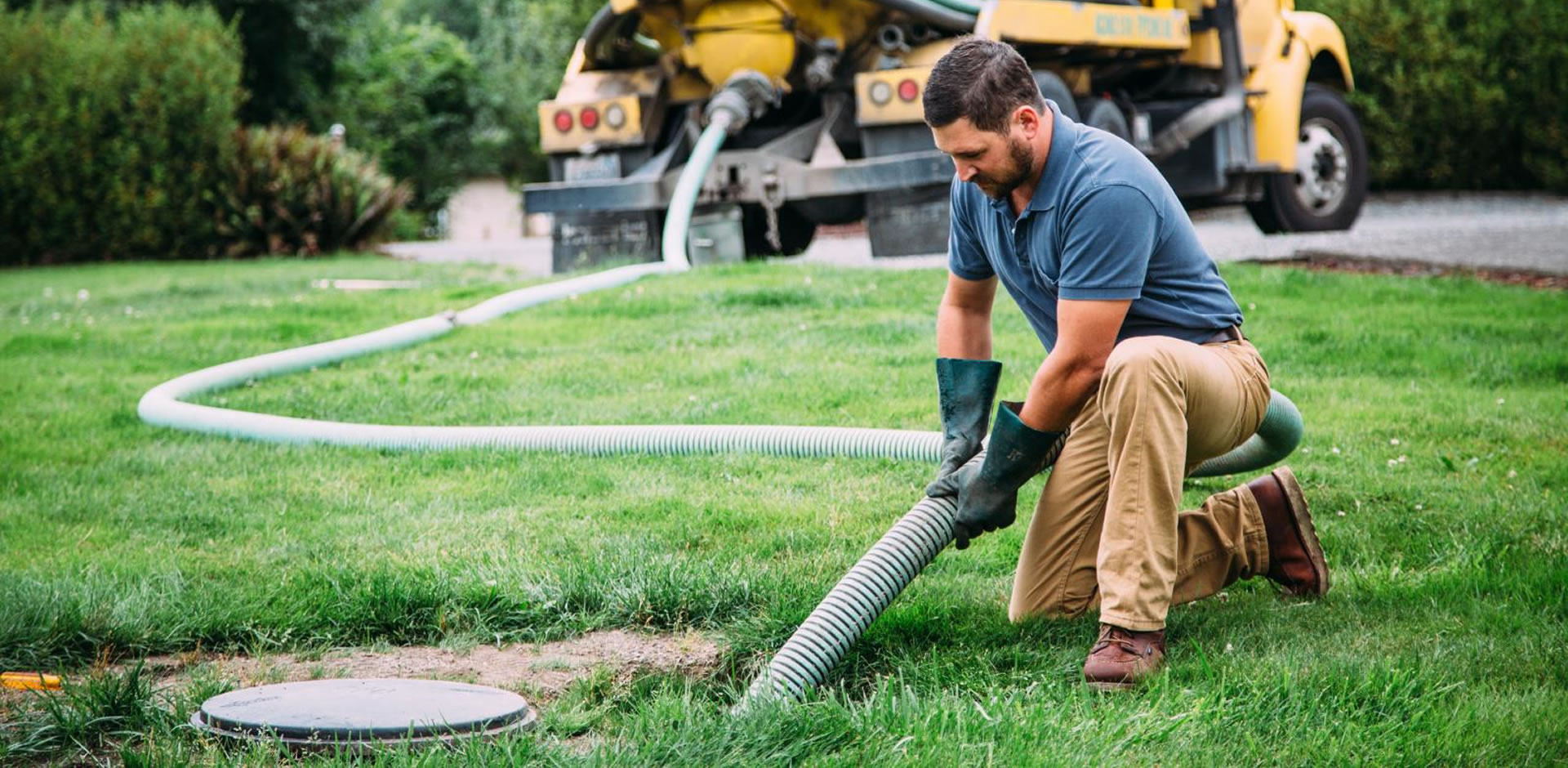
A sewer smell in your bathroom or near the kitchen sink isn't something you should ignore. At Septic Pumping of Raleigh, we talk with a lot of homeowners who are surprised to learn that odors usually start with simple vent or drain maintenance issues. Septic vent and drain maintenance tips can make a difference in keeping your home fresh and your system working properly. If you want to prevent smells before they become bigger problems, keep reading.
Your plumbing system depends on air. When you flush a toilet or drain a sink, wastewater moves through pipes and pushes air ahead of it. Vent pipes allow air to escape through the roof instead of forcing it back through drains. When vents work as designed, they balance pressure inside the pipes and keep sewer gases sealed away from living spaces.
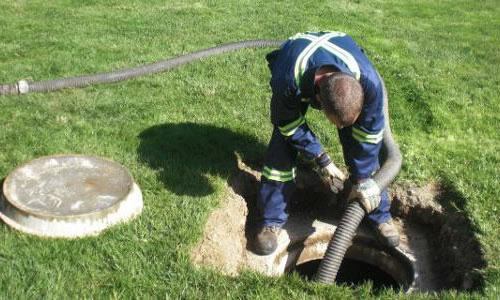
Without proper venting, negative pressure forms in the drain lines. The suction can pull water out of traps under sinks and tubs. Once the water seal breaks, sewer gas enters the room. The smell usually shows up near fixtures that are used less frequently, like guest bathrooms or basement sinks.
Routine septic maintenance should include a quick inspection of visible vent components. Look for cracked vent boots around roof penetrations. Check that vent pipes extend above the roofline without damage. If you schedule septic tank pumping, ask the technician to note any vent concerns they observe. Catching a vent issue early prevents odor complaints and reduces the chance of moisture damage around roof openings.
Every drain in your home has a curved section of pipe called a P-trap. That bend holds water after each use. The trapped water forms a barrier that blocks sewer gases from traveling up the pipe. When the trap dries out, that barrier disappears.
Dry traps usually happen in rarely used fixtures. Floor drains in laundry rooms, guest showers, and utility sinks are common problem areas. If you notice a smell in one room but not others, run water in that drain for about thirty seconds. This simple step refills the trap and restores the seal.
Homes that sit vacant for weeks at a time need extra attention. Pour a cup of water into unused drains every few weeks. For added protection, a small amount of mineral oil poured into the trap slows evaporation. This basic upkeep costs nothing and prevents unnecessary calls for septic service. It also helps avoid confusion that could lead homeowners to schedule septic cleaning in Auburn, NC when the real issue is a dry trap.
Vent stacks extend through the roof and release sewer gases safely into the air. Debris can block the opening. Leaves, bird nests, and even ice buildup can restrict airflow. When that happens, you may hear gurgling sounds in toilets or sinks after flushing.
Slow drains in multiple fixtures can also signal a vent restriction. The water struggles to move because trapped air has nowhere to escape. In some cases, the toilet bowl water level rises and falls without flushing. Pressure changes point to a venting problem rather than a clogged drain line.
Clearing a vent stack requires safe roof access and proper tools. A plumbing snake can break apart light debris, and a garden hose can flush loose material down the stack. If symptoms persist, contact a septic company to inspect the system. Vent issues that go unchecked can contribute to backup risks and may complicate future septic tank pumping appointments. Proper airflow supports the entire drainage system and keeps odors outside where they belong.
Soap residue, grease, hair, and food cling to pipe walls. Buildup narrows the pipe diameter and traps organic matter. As bacteria break down that material, they release gas that travels back up through the drains.
Professional drain line cleaning removes the residue with mechanical equipment. Technicians use powered augers or hydro jetting tools to scour the interior pipe surfaces. The process restores full pipe diameter and improves flow. It also eliminates the decomposing buildup that causes chronic odors.
Homeowners can reduce buildup by scraping their plates into the trash before washing and avoiding putting grease down the sink. Even small amounts of cooking oil will coat the inside of pipes. Over a few months, the coating thickens and captures debris. Routine septic maintenance combined with responsible drain habits reduces the need for an emergency septic service. Scheduled septic cleaning and septic tank pumping services at recommended times will keep solids from overloading the system and pushing odors back toward the house.
When you notice recurring smells after clearing traps and opening vents, the issue may go beyond indoor plumbing. Excess solids in the tank can interfere with normal flow. In that case, a septic tank pumping restores the separation between liquids and solids. A trusted septic company can check tank levels and advise on scheduling. Fixing tank conditions protects drain lines and reduces odor complaints inside the house.
Not every smell comes from a vent or trap. Persistent sewage odors in the yard or near the tank area may indicate system trouble. Saturated soil around the drain field, unusually green grass patches, or slow drains throughout the home can signal that the tank is overdue for septic tank pumping.
When solids accumulate beyond capacity, they can move into the drain field lines. The transfer restricts wastewater absorption and forces gas to the surface. You might notice odors outdoors after heavy water use. In more advanced cases, wastewater can back up into lower-level fixtures. These are not maintenance issues you can solve with drain cleaners.
A professional septic service provider can inspect the tank, measure sludge levels, and determine if a septic cleaning is necessary. They can also evaluate baffles and outlet filters that protect the drain field. Routine septic maintenance reduces the risk of field damage, which can be expensive to repair. Working with an experienced septic company will make sure the system receives proper care and documentation.
Keeping your home free of sewer odors starts with small, practical steps. Refill unused traps and keep vent openings clear. Avoid grease in the kitchen sink, too. Schedule your septic tank pumping at appropriate intervals based on household size and usage. If the smells persist, request a professional inspection rather than masking the odor with air fresheners.
Septic Pumping of Raleigh provides dependable septic service for local property owners. Contact us today to schedule your next septic maintenance appointment and keep your home fresh year-round.
 30
Apr/30/2026
30
Apr/30/2026
Septic systems take a beating from the seasons, and most homeowners have no idea it's happening until there's already a problem.…
 18
Apr/18/2026
18
Apr/18/2026
Most homeowners know their septic system needs attention at some point. Very few know how quickly skipping maintenance can turn into…
 08
Apr/08/2026
08
Apr/08/2026
That beeping sound coming from your septic system is not something to silence and forget about. At Septic Pumping of Raleigh,…
 06
Apr/06/2026
06
Apr/06/2026
Scheduling a septic maintenance appointment is something homeowners know they should do, but often put off because they're not sure what…