Menu

Get It Safely Pumped Today
Get It Safely Pumped Today
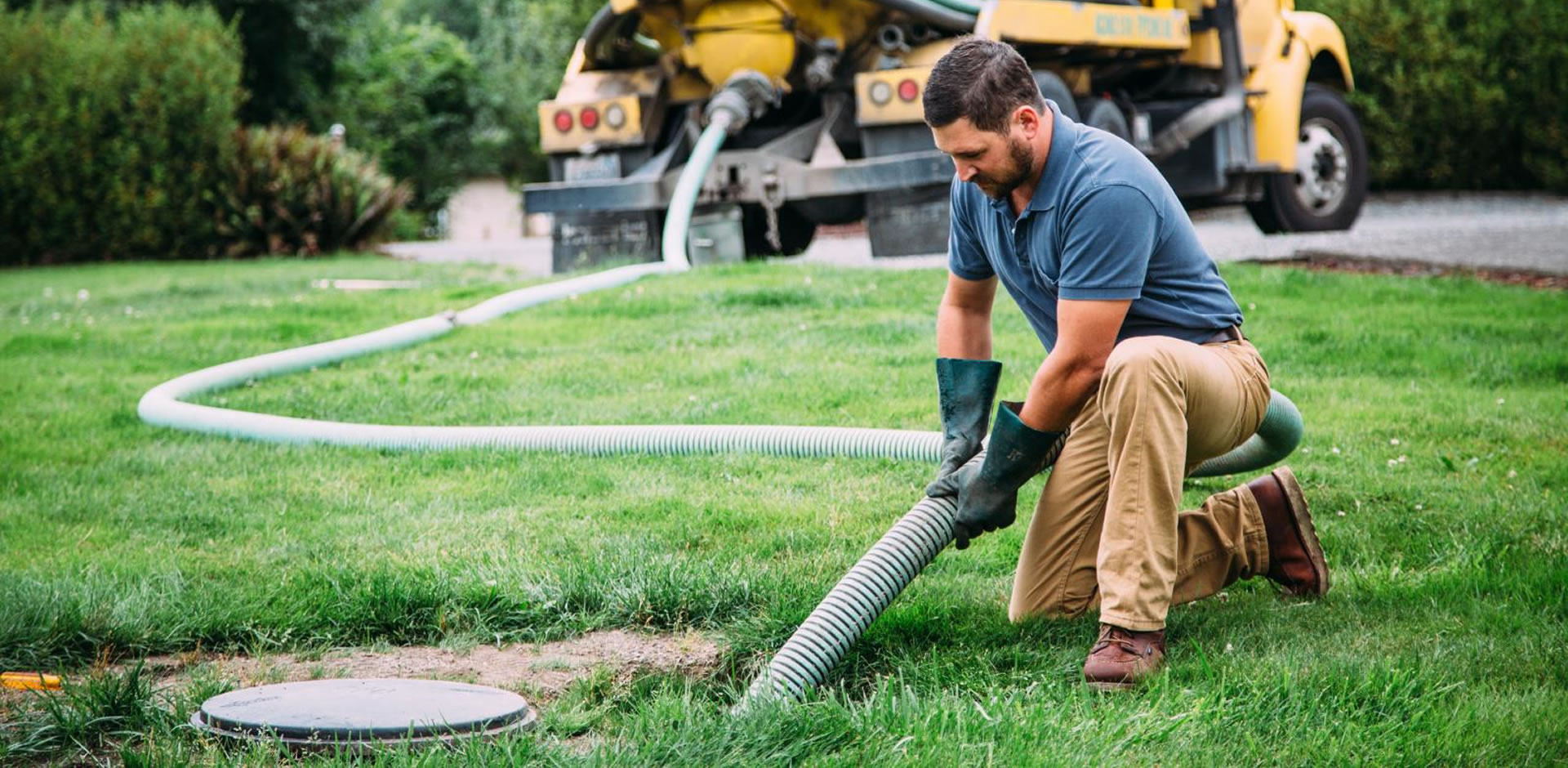
Most homeowners know their septic system needs attention at some point. Very few know how quickly skipping maintenance can turn into a serious and expensive problem. Septic Pumping of Raleigh has seen firsthand what neglected systems look like, and the pattern is almost always the same. A small amount of preventable inaction leads to a large and disruptive repair. Getting clear on what your system needs and how often it needs it is one of the more valuable things you can do as a homeowner. Keep reading for an honest look at what the timeline is and what happens when it gets pushed too far.
Your septic system handles everything that goes down your drains. Wastewater flows into the tank, where solids sink to the bottom, and the lighter materials like grease float to the top. The liquid layer in the middle exits into the drain field, where the soil filters it naturally.
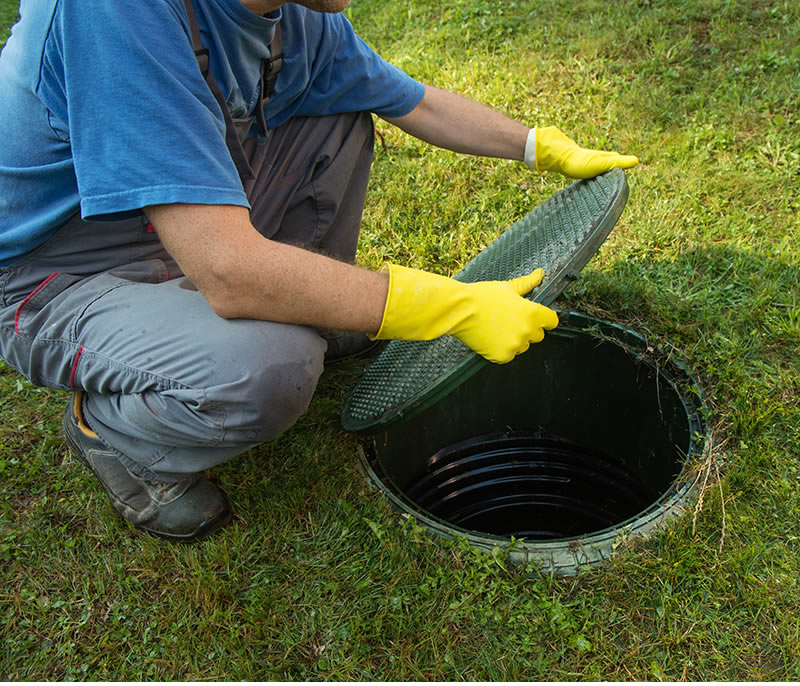
The tank holds the solids back so they don't clog the drain field.
The problem is that sludge and scum accumulate. A tank that never gets pumped will eventually run out of room to store the solids, and they'll start moving into places they shouldn't go. That's when the real damage begins. Septic tank pumping in Auburn removes the accumulated sludge and scum before they reach that threshold.
When a tank goes too long without service, solids begin to overflow into the drain field. The soil in a drain field can handle liquid, but it can't process solid waste. Once solids reach the drain field, they clog the pipes and compact the surrounding soil. Repairing or replacing a drain field costs between $5,000 and $20,000, depending on the size and condition of the site.
Before it gets that far, you'll likely notice other consequences. Sewage backs up into the lowest drains in the house. The yard above the drain field becomes soggy or develops a persistent odor. These are serious issues. Sewage backup creates direct exposure to pathogens, including E. coli and other bacteria, and a saturated drain field can contaminate groundwater on and around your property.
A quality septic company catches these problems before they get out of control. Regular septic cleaning pulls the accumulated solids out of the tank on a schedule instead of after the damage has already started.
The standard recommendation is septic tank pumping every three to five years, but that range isn't one-size-fits-all. Tank size is the first variable. A 1,000-gallon tank serving a large household fills up faster than a 1,500-gallon tank serving two people. The volume of solids your household generates controls how quickly the tank reaches capacity.
Water usage matters just as much. High water use dilutes the bacterial activity in the tank and pushes liquids through faster, which can carry solids toward the drain field before they've had time to settle. Garbage disposals add organic load to the tank and shorten the service interval. Households that use a garbage disposal every day may need pumping every two years rather than every three to five years.
The EPA estimates that a family of four with a 1,000-gallon tank should schedule pumping every three to five years under normal conditions. If you add two more people, the interval drops. A reputable septic service can calculate the right schedule based on your specific tank size and usage patterns.
Some signs are obvious. Drains backing up or gurgling, toilets flushing sluggishly, and sewage odors inside the home all point to a tank that's beyond capacity. At that point, you're past the maintenance window and into emergency territory. Other signs show up outside first. Watch for:
If you notice any of these, call a septic company before the situation worsens. A single inspection costs a lot less than emergency excavation, and catching it early keeps the drain field intact. Septic cleaning at the right time can save you from a crisis.
The simplest approach is to tie your first service to a specific date and count forward from there. If you don't know when the tank was last pumped, schedule an inspection now. A technician can measure the sludge depth and tell you how much capacity is left. From there, a few habits make the schedule easier to maintain:
Keep a record of every service visit, including the date and the sludge level at the time of pumping
Set a calendar reminder 90 days before your next estimated service date
Note any changes in household size or water usage, because either one can shift your timeline
Avoid flushing non-biodegradable items, and limit the use of harsh chemical drain cleaners. Both disrupt the bacterial balance that breaks down solids inside the tank. A healthy bacterial environment extends the interval between pumping visits by doing part of the work naturally.
Consistent septic service doesn't require much effort, just a schedule and the discipline to follow it.
Neglecting your septic system doesn't save time or money. It trades a predictable maintenance cost for an unpredictable and much larger repair bill. Schedule your next service before the warning signs appear. If you don't know when the tank was last pumped, that's reason enough to call today. Septic Pumping of Raleigh serves homeowners throughout the Raleigh area. Give us a call to schedule your next visit.
 31
May/31/2026
31
May/31/2026
When a septic system starts acting up, most homeowners want the same thing: a quick fix. It is completely understandable. If…
 22
May/22/2026
22
May/22/2026
There is a similarity between emergency septic back-ups and costly repairs – the red flags were neglected! Most times, homeowners appear…
 12
May/12/2026
12
May/12/2026
Most homeowners know they are supposed to schedule septic tank pumping every few years. What many do…
 06
May/06/2026
06
May/06/2026
Septic systems do not malfunction suddenly! The failure starts with ordinary habits that seem harmless at the time. A little grease…