Menu

Get It Safely Pumped Today
Get It Safely Pumped Today
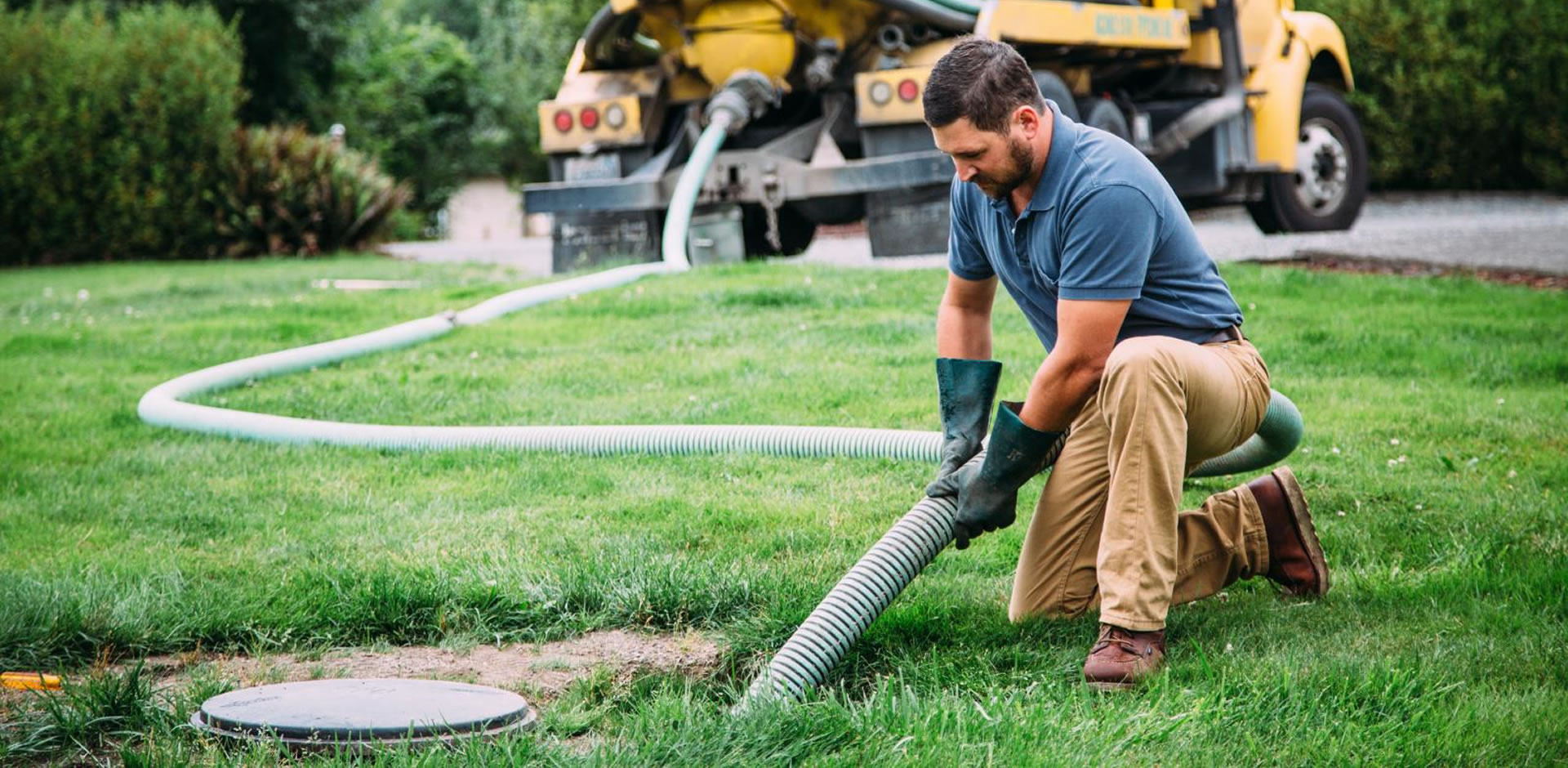
Septic systems take a beating from the seasons, and most homeowners have no idea it's happening until there's already a problem. Freezing temperatures, saturated soil from heavy rain, and summer heat all put different kinds of pressure on your tank and drain field throughout the year. Knowing how weather changes affect your septic system gives you an advantage when it comes to avoiding repairs. Septic Pumping of Raleigh has put together everything you need to know about what the forecast means for what's happening underground, so keep reading.
Your drain field depends on soil absorption to do its job. When heavy rain soaks the ground for days at a time, the soil reaches a saturation point where it can't take in any more liquid. Wastewater leaving your tank has nowhere to go, and that's when you start seeing backups, slow drains, and soggy patches in the yard above the drain field lines.
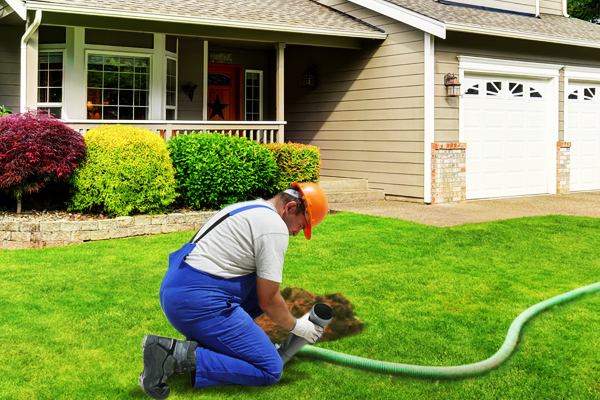
The problem compounds when your tank is already approaching capacity. A full tank during heavy rain pushes untreated effluent into the drain field faster than the soil can handle it. This is exactly the situation where septic tank pumping before a major storm becomes worth every dollar. A tank with adequate capacity buffers the system when the ground outside can't keep up.
Raleigh gets a lot of rainfall in spring and late summer, which means this isn't a rare scenario. Homeowners who schedule septic service before the wet season carry less risk of a backup or field failure during a storm.
Frozen soil doesn't absorb water. When the ground freezes in winter, your drain field loses its ability to process effluent, and the system backs up from the bottom up. Pipes leading from the house to the tank can also freeze if they're buried too shallow or if water sits in low points along the line.
The tank itself rarely freezes in moderate climates, but the bacterial activity inside slows dramatically when temperatures drop. Bacteria in your tank break down solids continuously, and cold temperatures reduce microbial output. Solids accumulate faster in winter, which means a tank that was fine in October may be overloaded by February. Two things protect your system during cold months:
A septic company that understands seasonal timing can tell you exactly when your tank needs to be serviced relative to your local freeze patterns.
Heat accelerates bacterial activity in your tank, which sounds like a good thing, but it creates its own complications. Bacteria work faster in warm conditions, which means they consume oxygen faster, and the tank becomes more anaerobic. A more anaerobic environment produces hydrogen sulfide gas, which is the source of the rotten egg smell you notice near the tank or vent pipes during the summer months.
Higher temperatures also increase water usage in most households. More showers, laundry, and outdoor activities all push higher volumes of water through the system. The increased flow carries more solids into the tank and shortens the effective interval between pumpings.
Drain field performance can also degrade in extreme heat when the top layer of soil dries and hardens. A cracked, compacted surface layer resists water infiltration even when deeper soil is dry and could theoretically absorb it. Proper septic maintenance includes checking the drain field area for signs of compaction or die-off in the grass above the lines, both of which signal stress in the absorption zone.
Most septic systems need pumping every three to five years, but weather patterns in your region should influence where in that range your household falls. A household of four in a high-rainfall area with clay-heavy soil needs more frequent septic tank pumping than the same household in a dry climate with sandy loam. Timing your service calls around the calendar makes a difference. Here's why:
A qualified septic company will check your system's current sludge and scum levels and factor in local weather patterns when recommending the best time for your next service. Skipping their guidance and waiting for a symptom to appear is the most expensive choice a homeowner can make. Backups, field repairs, and emergency calls all cost way more than a scheduled pump-out.
Septic maintenance isn't complicated when you put it on the calendar and stay consistent. The homeowners who avoid major septic expenses are the ones who schedule septic service proactively and adjust for what their local seasons demand from the system.
Weather doesn't wait, and your septic system responds to every shift in the forecast, whether you're paying attention or not. If it's been more than three years since your last pump-out, or if you've had a wet summer or a hard winter recently, now is a good time to get your system inspected. Septic Pumping of Raleigh provides reliable septic tank pumping, septic cleaning, and full septic service for homeowners throughout the Raleigh area. We know the local soil conditions, the seasonal patterns, and how to keep your system running through whatever the weather brings. Call us to schedule your next service appointment before the next season creates a problem you'd rather avoid.
 30
Apr/30/2026
30
Apr/30/2026
Septic systems take a beating from the seasons, and most homeowners have no idea it's happening until there's already a problem.…
 18
Apr/18/2026
18
Apr/18/2026
Most homeowners know their septic system needs attention at some point. Very few know how quickly skipping maintenance can turn into…
 08
Apr/08/2026
08
Apr/08/2026
That beeping sound coming from your septic system is not something to silence and forget about. At Septic Pumping of Raleigh,…
 06
Apr/06/2026
06
Apr/06/2026
Scheduling a septic maintenance appointment is something homeowners know they should do, but often put off because they're not sure what…