Menu

Get It Safely Pumped Today
Get It Safely Pumped Today
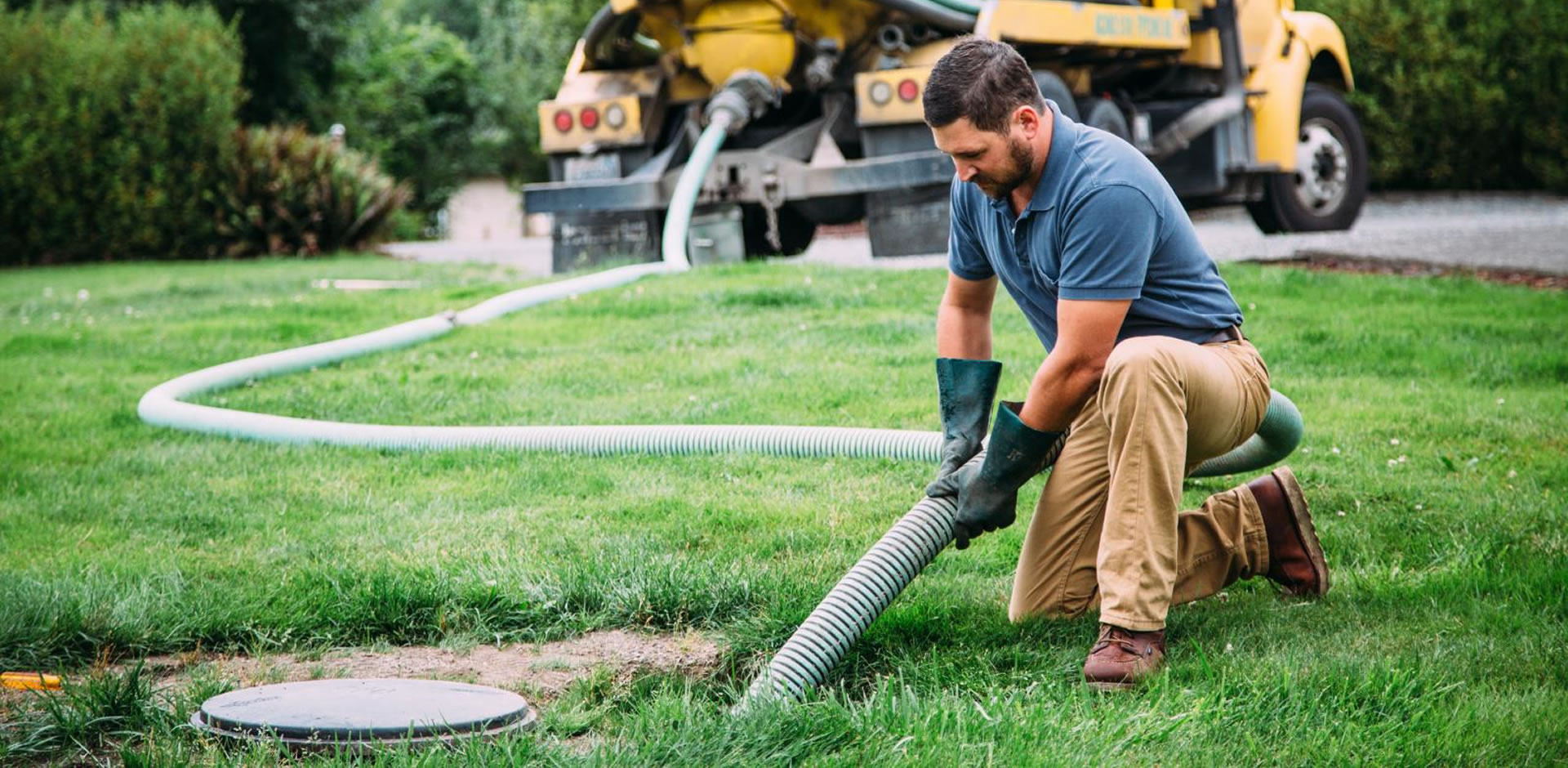
That beeping sound coming from your septic system is not something to silence and forget about. At Septic Pumping of Raleigh, we get calls from homeowners who ignored a septic alarm for days before things got seriously messy, and the repairs that followed were never cheap. Your alarm exists for a reason, and understanding what it is telling you can be the difference between a simple service call and a full system failure. Here is what you need to know the moment that alarm goes off.
A septic alarm is a monitoring device connected to your tank or drain field that tracks water levels and system performance. Most systems use a float switch or sensor positioned at a specific depth inside the tank. When liquid rises above that point, the float triggers the alarm panel, which then activates an audible beep and a warning light that's usually mounted near your electrical panel or outside the home.
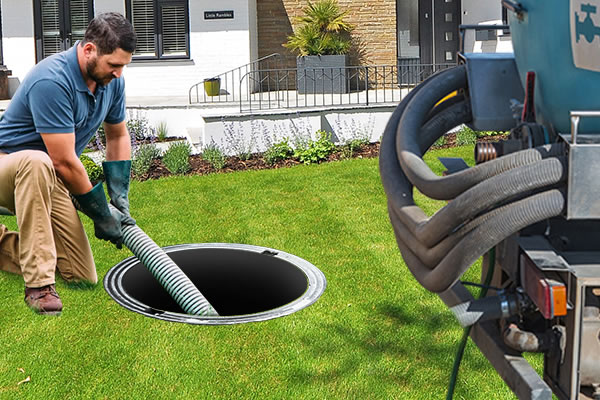
The alarm itself does not fix anything. It's a signal that something in the system has changed and needs attention. Some panels also connect to a pump or aerator, so the alarm can indicate a mechanical failure, not just high water levels. Knowing which type of system you have helps you communicate clearly when you call a septic company.
Most alarm panels have a silence button that cuts the sound without resetting the alert. Silencing the beep is fine while you figure out the next steps, but the warning light should stay on until the issue gets resolved. Pressing silence and walking away is where homeowners run into trouble.
High water levels inside the tank are the most frequent cause. This happens when the tank is approaching capacity and effluent has nowhere to go. A household that has had guests for several days, done multiple loads of laundry back to back, or run the dishwasher repeatedly can push water into the tank faster than the system processes it.
A failed pump is another common trigger. If your system relies on a pump to move effluent to the drain field and that pump stops working, liquid backs up quickly. You might hear the alarm within hours of the pump failing. Septic tank pumping alone won't fix a mechanical failure, so a technician needs to inspect the pump.
Clogs in the outlet baffle, distribution box, or drain field lines also set off alarms. Grease buildup, paper products that don't break down, and root intrusion from nearby trees all restrict flow. Routine septic maintenance catches blockages before they become emergencies.
First, locate your alarm panel and silence the audible beep if it hasn't already been done. Note if the warning light is red or yellow, since some systems use color coding to indicate severity. Take a photo of the panel before you touch anything.
Second, reduce all water use in the house. Stop running laundry, limit showers to what's necessary, and avoid flushing anything beyond waste and toilet paper. Every gallon you put into the system while the alarm is active makes the situation worse. This is not the time for washing dishes or taking baths.
Third, call a septic service provider. Don't wait to see if the alarm clears on its own overnight. Some issues do resolve, especially after heavy rain, but many do not. A qualified technician can inspect the tank, check the float and pump, and determine whether you need septic cleaning, a pump replacement, or a drain field evaluation.
Some alarm situations allow a short window to monitor and respond, while others require immediate action. Call a professional the same day if you notice sewage odors inside the house, slow drains throughout multiple fixtures, gurgling sounds from toilets or sinks, or wet spots forming in the yard above the drain field. These signs point to a backup in progress.
If your alarm has gone off multiple times in a short period, pay attention. A system triggering repeatedly within days or weeks indicates something more than a one-time spike in water use. The float sensor may be malfunctioning, the tank may be overdue for septic tank pumping, or the drain field may be saturated and failing to absorb effluent at a normal rate.
A reputable septic company will check the tank level, inspect the pump and float, evaluate the condition of the baffles, and check for signs of drain field stress. From there, they'll recommend the appropriate next step, whether it's septic cleaning, a mechanical repair, or a more thorough system evaluation. Catching problems at the alarm stage is less expensive than fixing a full backup or field failure.
Saturated soil is the core issue. When your yard absorbs more water than it can handle, groundwater rises and pushes up into the drain field. The field can't accept effluent from the tank when the surrounding soil is already waterlogged, so liquid backs up and triggers the float sensor inside the tank.
This type of alarm doesn't always mean your system is broken. It can mean the system is being overwhelmed by conditions outside its control. The practical response is still the same. Cut back on indoor water use until the soil drains and the groundwater level drops. In most cases, the alarm clears within 24 to 48 hours after the rain stops.
However, if your system triggers during every rainstorm, that's a sign the drain field isn't performing well. Consistent rain-related alarms point to compaction, root intrusion, or a field that's nearing the end. Routine septic maintenance and periodic septic tank pumping help extend field life, but a technician may need to evaluate whether the field requires remediation.
A septic alarm going off is your system asking for help before things get worse. Reduce water use, silence the beep, and call a professional the same day. The longer you wait, the fewer options you have and the higher the repair costs will run. Septic Pumping of Raleigh provides fast, reliable septic service to homeowners across the area. We offer septic cleaning, pump inspections, tank pumping, and full system evaluations with experienced technicians who give you straight answers.
 22
May/22/2026
22
May/22/2026
There is a similarity between emergency septic back-ups and costly repairs – the red flags were neglected! Most times, homeowners appear…
 12
May/12/2026
12
May/12/2026
Most homeowners know they are supposed to schedule septic tank pumping every few years. What many do…
 06
May/06/2026
06
May/06/2026
Septic systems do not malfunction suddenly! The failure starts with ordinary habits that seem harmless at the time. A little grease…
 30
Apr/30/2026
30
Apr/30/2026
Septic systems take a beating from the seasons, and most homeowners have no idea it's happening until there's already a problem.…