Menu

Get It Safely Pumped Today
Get It Safely Pumped Today
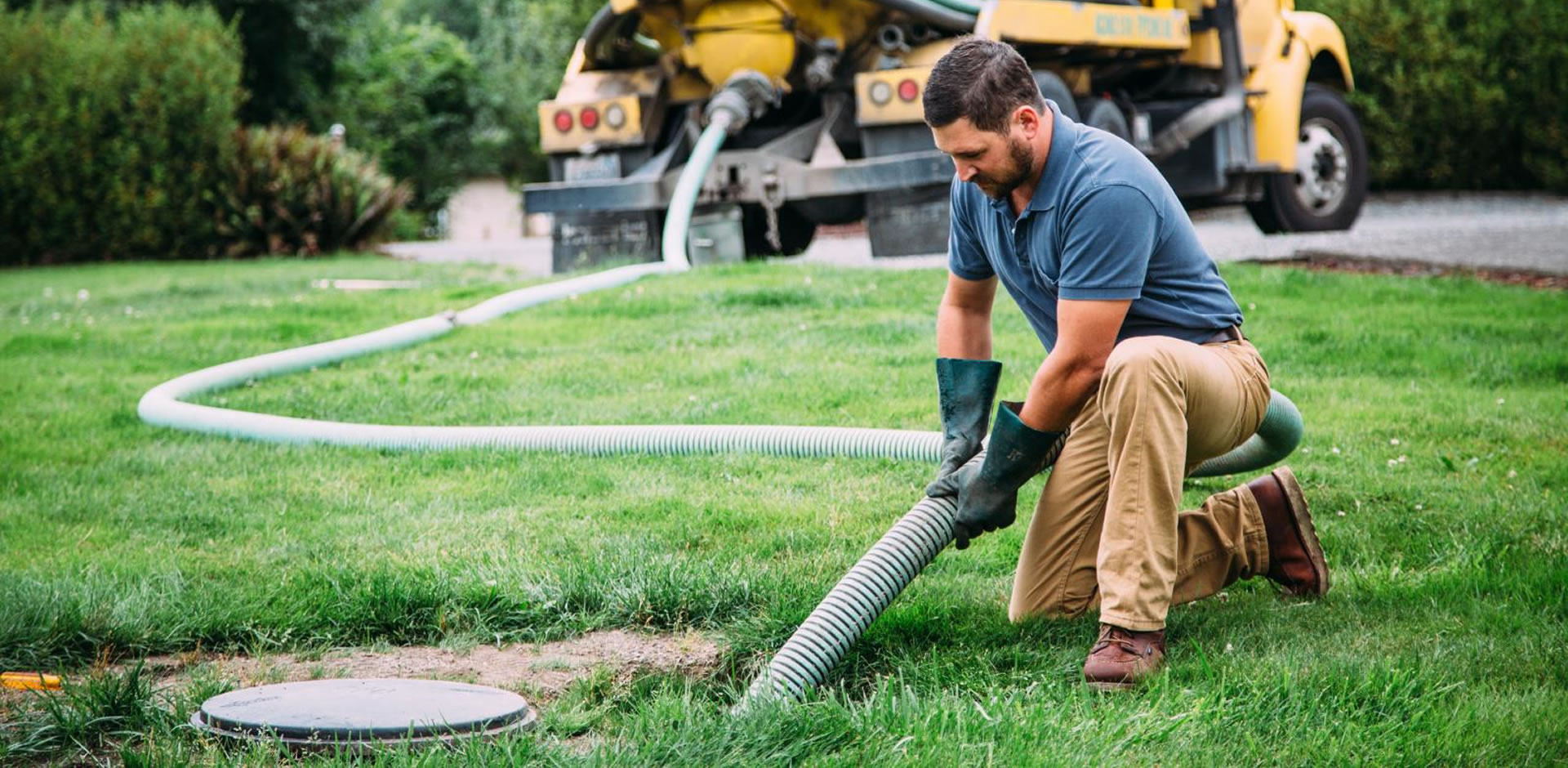
Most homeowners never think about what happens after they flush. Your septic system is doing one of the most important jobs on your property, and understanding how it works is the first step toward keeping it that way. At Septic Pumping of Raleigh, we've seen what happens when a system gets overlooked for too long, and it's never a small fix. Keep reading to learn exactly how your septic system works, what it needs to stay healthy, and how to catch problems before they turn into emergencies.
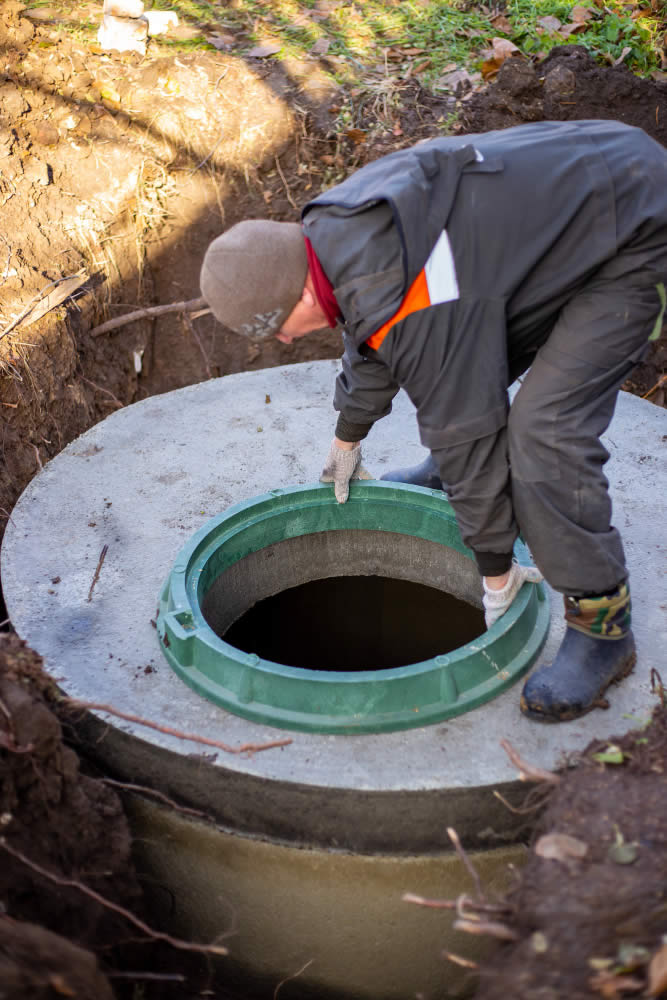
When wastewater leaves your home, it travels through a main drain line and enters a buried tank, usually made of concrete, fiberglass, or polyethylene. The tank holds the waste long enough for solids to sink and separate from the liquid. The liquid layer, which is called effluent, eventually flows out of the tank and into a drain field, where the soil filters it before it re-enters the groundwater. The whole process happens underground, out of sight, without any mechanical parts.

Most residential systems consist of only two parts, the tank and the drain field. Some properties also include a distribution box that splits effluent across multiple drain field trenches. The tank has inlet and outlet baffles that control how waste enters and exits, and they are critical to keeping solids contained where they belong.
The system works because of gravity, soil, and biology, not technology. The simplicity is part of what makes it reliable, but it's also what makes neglect so damaging. When the balance inside the tank breaks down, the whole system suffers.
Inside the tank, waste separates into three layers. Solids will sink down to the bottom and form sludge. Grease and light materials float to the top as scum. The middle layer, the effluent, is the only material that moves out toward the drain field. Naturally occurring bacteria inside the tank break down the organic matter in the sludge layer, which reduces its volume, but never eliminates it completely.
Sludge accumulates even when the bacteria are active and healthy. Once the sludge layer gets too deep, it starts pushing into the effluent zone and eventually exits the tank into the drain field, where it doesn't belong. A septic company in Holly Springs will measure sludge depth during an inspection to determine whether it's time to pump.
Most tanks need pumping every three to five years. A 1,000-gallon tank serving a family of four will fill faster than the same tank serving one or two people. Knowing your tank size and tracking your pump schedule prevents overflow and property damage.
Some septic problems announce themselves clearly, but others show up as small, easy-to-ignore symptoms and get worse slowly. Catching them early is what helps you avoid a full system repair. Watch for these warning signs:
Any one of these symptoms warrants a call to a septic service provider. Wet ground above the drain field is particularly serious. It usually means effluent is surfacing instead of absorbing, which indicates a clogged or saturated drain field. If left alone, the problem escalates into full system failure, which costs a lot more to fix than routine septic cleaning. Don't wait for multiple symptoms to appear before calling. One clear warning sign is enough.
The standard recommendation for most households is pumping every three to five years and a full inspection every one to three years. Those numbers shift based on a few factors, like how many people live in the home, whether you use a garbage disposal, and the size of your tank. A garbage disposal adds more organic load to the tank and pushes the pump interval closer to every two to three years.
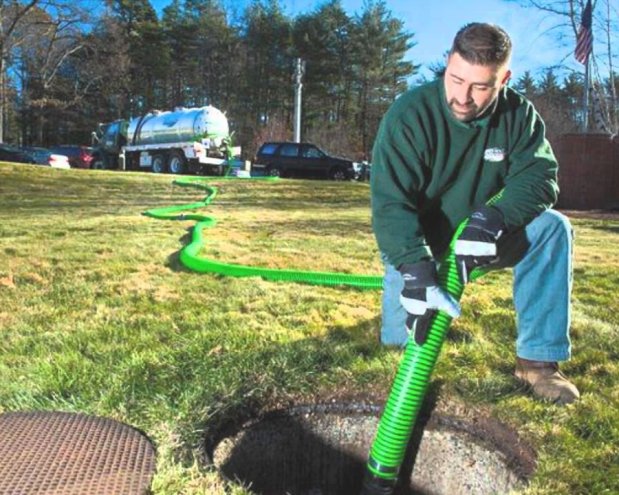
Septic tank pumping removes accumulated sludge before it reaches a level that compromises the system. An inspection checks the condition of the tank, the baffles, the outlet filter, if one is installed, and the drain field. A qualified septic company will also check for cracks, root intrusion, and signs of hydraulic overload in the drain field.
Skipping inspections is one of the most common reasons systems fail early. A crack in the tank or a damaged baffle won't cause immediate symptoms, but the damage compounds. Routine septic cleaning and inspection catch those issues when they're still minor repairs rather than major replacements.
What goes down your drains determines how hard your system has to work. A healthy tank depends on active bacteria to break down waste, and several common household products kill those bacteria on contact. Antibacterial soaps, bleach, and certain medications flush through the system and reduce microbial activity in the tank. It slows decomposition and accelerates sludge buildup. Avoid flushing or draining any of the following:
Water usage habits matter just as much. Running multiple high-water appliances at the same time floods the tank with more volume than the bacteria can process. Spread laundry loads across the week instead of doing five loads in one day. Fix leaking toilets promptly. A toilet that runs continuously can push hundreds of extra gallons into the tank daily, which disrupts the separation process and pushes effluent into the drain field prematurely. These small adjustments extend the life of a system that costs thousands of dollars to replace.
Scheduling regular septic tank pumping, watching for early warning signs, and being thoughtful about what enters your drains are the three things that keep most systems functioning for decades. If you’ve been looking for a local septic company, give us a call. Septic Pumping of Raleigh provides septic cleaning, inspection, and pumping services for homeowners throughout the Raleigh area. If you're overdue for a pump-out or you've noticed something that doesn't seem right, contact us today to schedule your septic service.
 30
Apr/30/2026
30
Apr/30/2026
Septic systems take a beating from the seasons, and most homeowners have no idea it's happening until there's already a problem.…
 18
Apr/18/2026
18
Apr/18/2026
Most homeowners know their septic system needs attention at some point. Very few know how quickly skipping maintenance can turn into…
 08
Apr/08/2026
08
Apr/08/2026
That beeping sound coming from your septic system is not something to silence and forget about. At Septic Pumping of Raleigh,…
 06
Apr/06/2026
06
Apr/06/2026
Scheduling a septic maintenance appointment is something homeowners know they should do, but often put off because they're not sure what…