Menu

Get It Safely Pumped Today
Get It Safely Pumped Today
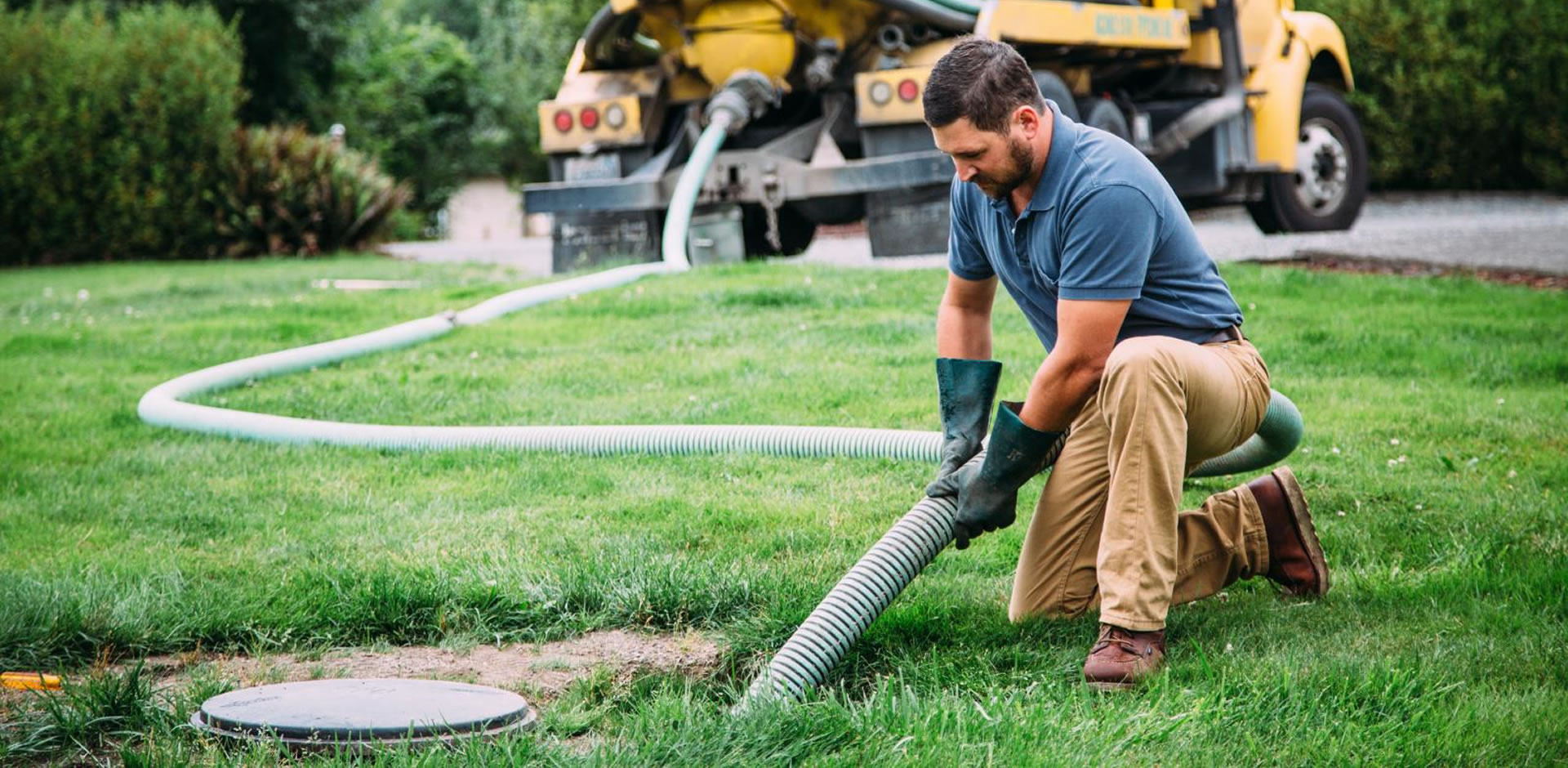
Every time you run the faucet, flush the toilet, or drain the tub, your septic system goes to work. Most homeowners have a general sense that waste goes somewhere underground, but understanding how the system handles it makes a difference in how well you maintain it. Septic tank pumping is an important part of keeping the process running, and at Septic Pumping of Raleigh, we believe an informed homeowner is a prepared one. Keep reading to get a clear picture of how your septic system works from the moment waste leaves your sink to the moment it is fully processed.
Every drain in your home connects to a single main pipe that runs underground to your septic tank. Gravity does most of the work. Wastewater travels down through this pipe, and picks up everything you send down your drains, from food and soap residue to toilet waste and cleaning products.
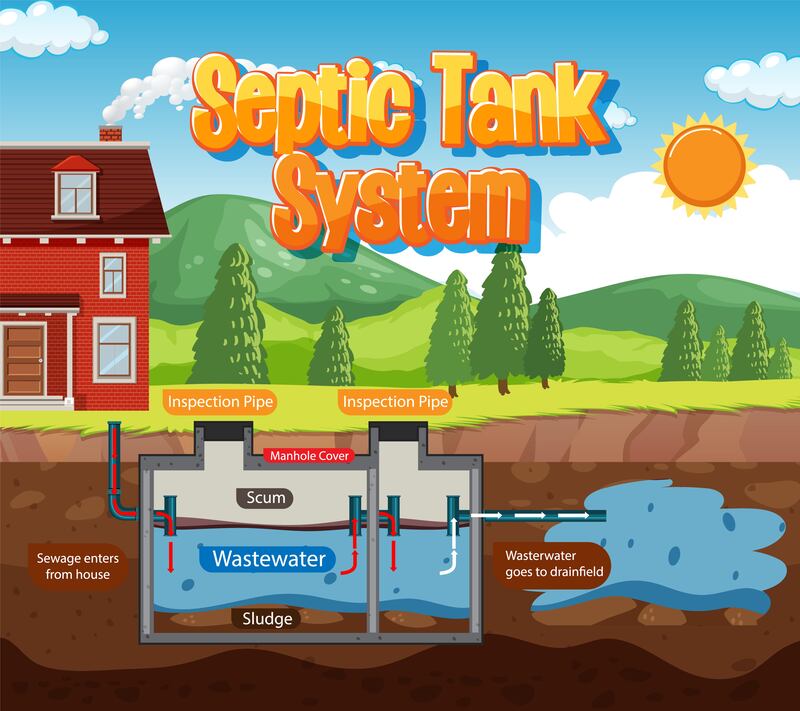
The main pipe is sloped at a specific angle to keep waste moving without backing up. If the pitch is too shallow, solids settle in the pipe and cause blockages. When it's too steep, liquids race ahead while solids get left behind. Proper installation is usually the difference between a system that handles waste correctly and one that gives you problems within a few years.
Once wastewater reaches the tank, it enters through an inlet baffle. The baffle slows the incoming flow so it doesn't disturb the layers already forming inside the tank. From that point, the separation process begins.
Inside the tank, waste naturally divides into three layers. Heavy solids fall down to the bottom, which creates the sludge layer. Light materials like grease and oil will float to the top and form the scum layer. The liquid in the middle is what eventually moves on to the drain field.
The separation depends on the tank staying undisturbed long enough for the layers to form. The inlet and outlet baffles protect the process. The inlet baffle directs incoming waste below the scum layer so it doesn't push effluent out prematurely. The outlet baffle pulls liquid from the middle zone only, which keeps solids and grease inside the tank where they belong.
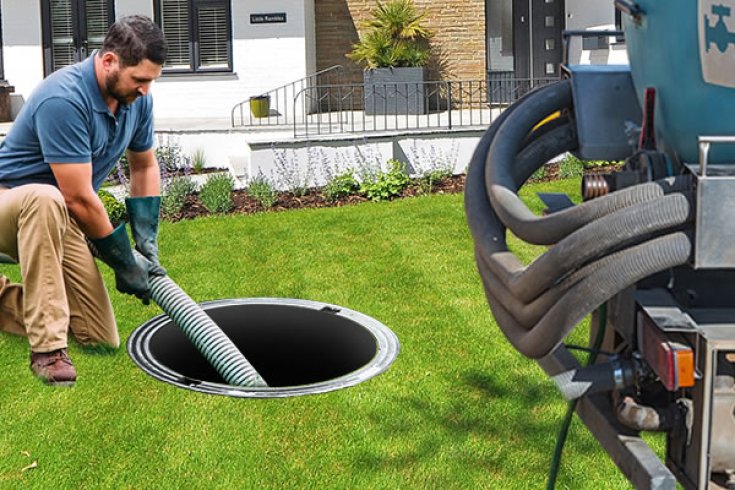
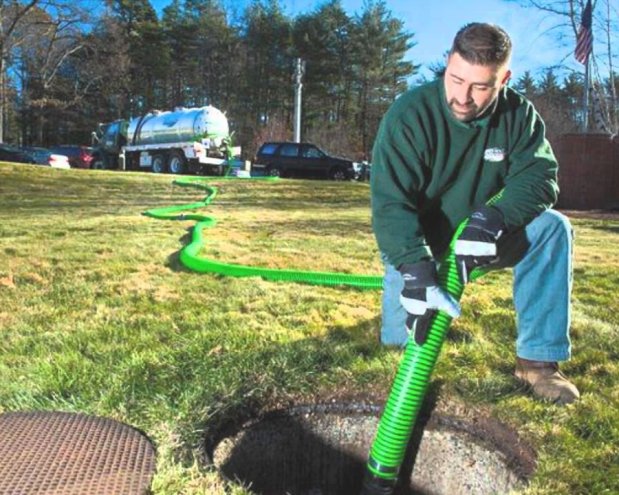
Eventually, sludge accumulates at the bottom and scum builds at the top. When the layers take up too much space, there isn't enough room for effluent to settle properly, and solids start escaping into the drain field. That is exactly what septic tank pumping in Holly Springs prevents. A septic company removes the accumulated sludge and scum before they reach a tipping point.
The tank is not just a holding container. It is a biological environment. Anaerobic bacteria, the kind that thrive without oxygen, live in the sludge layer and break down organic waste continuously. They digest solids and reduce the volume of material that would otherwise fill the tank much faster.
These bacteria are sensitive to what you send down your drains. Antibacterial soaps, bleach, and chemical drain cleaners kill off the bacterial population when used excessively. Without enough active bacteria, solids accumulate faster, and the tank fills up sooner than expected. Flushing non-organic materials like wipes, paper towels, or feminine hygiene products disrupts the process because bacteria can't break those down.
Supporting bacterial activity is one of the most critical aspects of septic maintenance. Limit harsh chemical use, stick to septic-safe products when possible, and avoid flushing anything that isn't human waste or toilet paper. Healthy bacterial activity extends the time between pump-outs and reduces the risk of solids escaping into the drain field.
Water volume is one of the biggest factors in septic system performance. When more water enters the tank than it can process, the hydraulic load pushes effluent out before it has time to settle. Solids that should stay in the tank get carried into the drain field and clog the soil. A few bad habits can put consistent stress on the system:
Spacing out water use across the day gives the tank time to process effluent at a more manageable rate. Fixing leaks quickly reduces unnecessary water load. Consistent septic service visits also give a technician the chance to catch volume-related issues before they damage the drain field.
Most residential tanks need pumping every three to five years. A septic company can check your specific usage and recommend a schedule that matches your household's actual output.
Skipping pump-outs has a predictable outcome. Sludge and scum layers keep growing until effluent carries solid material into the drain field. Once solids clog the soil absorption area, the drain field fails. Replacing a drain field costs much more than years of routine septic cleaning combined. Pumping on schedule is the most cost-effective maintenance decision a homeowner can make.
Septic maintenance also includes inspecting the baffles, checking the tank lid and risers, and looking for signs of leakage or root intrusion. A thorough septic cleaning visit covers more than just removing solids. It gives you a current picture of the system's condition so you can address minor issues before they become major repairs.
Keeping your septic system in good condition requires understanding how it works and staying ahead of the maintenance it needs. If you aren't sure when your tank was last pumped, or if you've noticed slow drains or odors near the drain field, it is time to call. Septic Pumping of Raleigh provides professional septic tank pumping, septic cleaning, septic maintenance, and full system inspections for homeowners throughout the Raleigh area. Call us today to schedule your service.
 30
Apr/30/2026
30
Apr/30/2026
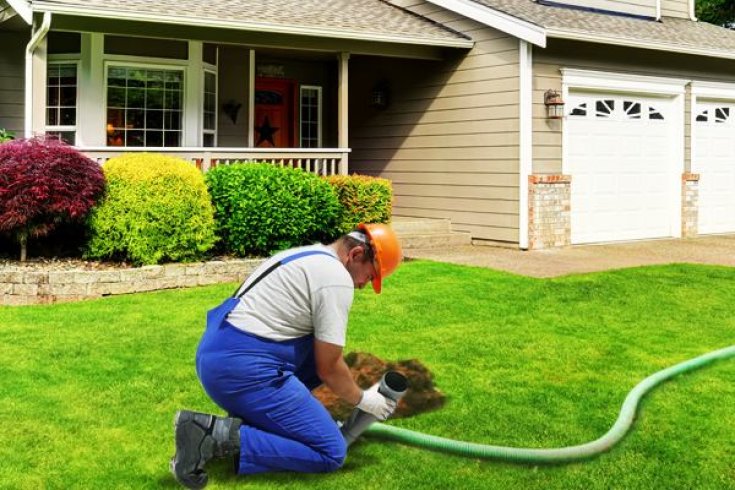
Septic systems take a beating from the seasons, and most homeowners have no idea it's happening until there's already a problem.…
 18
Apr/18/2026
18
Apr/18/2026
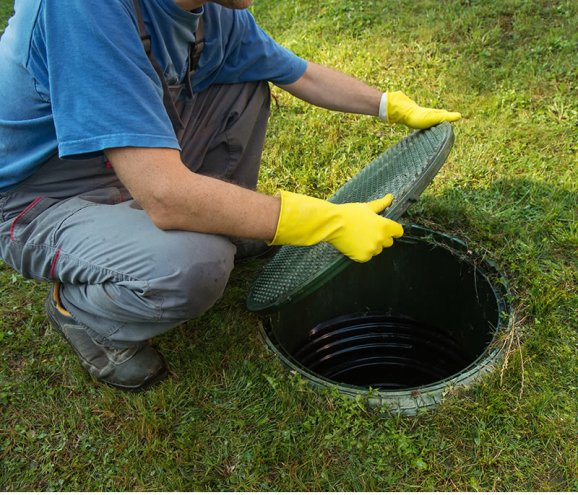
Most homeowners know their septic system needs attention at some point. Very few know how quickly skipping maintenance can turn into…
 08
Apr/08/2026
08
Apr/08/2026
That beeping sound coming from your septic system is not something to silence and forget about. At Septic Pumping of Raleigh,…
 06
Apr/06/2026
06
Apr/06/2026
Scheduling a septic maintenance appointment is something homeowners know they should do, but often put off because they're not sure what…