Menu

Get It Safely Pumped Today
Get It Safely Pumped Today
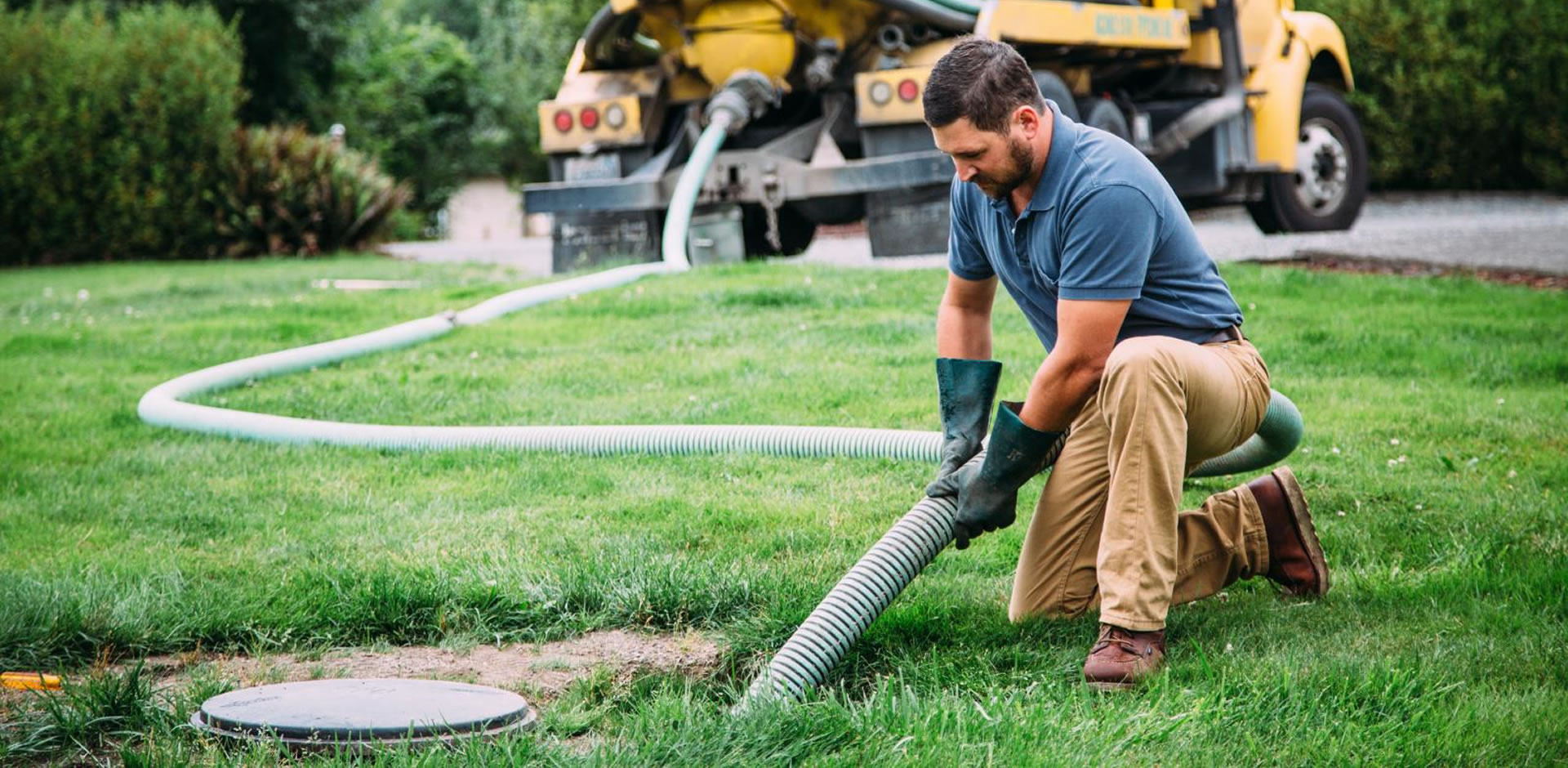
We’ve seen how fast a small issue can turn complicated when a tank starts to fail. At Septic Pumping of Raleigh, we walk homeowners through the real reasons leaking septic tanks can’t wait. A tank leak doesn’t stay contained. It spreads, weakens the system, and creates problems no one wants in their yard. Stick with us because the sections ahead lay out what happens behind the scenes and what you can do to protect your property.
A leaking tank rarely appears out of nowhere. The system gives clues that point to stress long before a full failure shows up. You might notice a wet patch that never dries, even when the rest of the yard is normal. Some homeowners pick up a sour smell that shows up on warm days. Inside the house, you might see slow drains that act differently from the usual quirks of an older plumbing line. These changes tell you that something inside the tank is out of place. Wastewater may be slipping out before it moves through the drainfield. The soil around the tank can shift as moisture builds. Any shift places pressure on the lid and the walls. A small crack can widen as the ground moves with rain and temperature changes. Once the tank wall weakens, the leak grows at a steady pace. The longer it carries on, the more damage it leaves behind. At this point, a quick visit from a septic company is better than waiting for a backup or a full collapse. You want the tank to hold its structure instead of letting water escape into the yard. A stable tank protects the drainfield while a leaking one puts it at risk. Early signs matter because they show the tank is under strain. Catching them early lets you schedule a repair before the soil gives way or the line fails. Quality maintenance services like septic pumping or septic tank cleaning can help you avoid trouble.
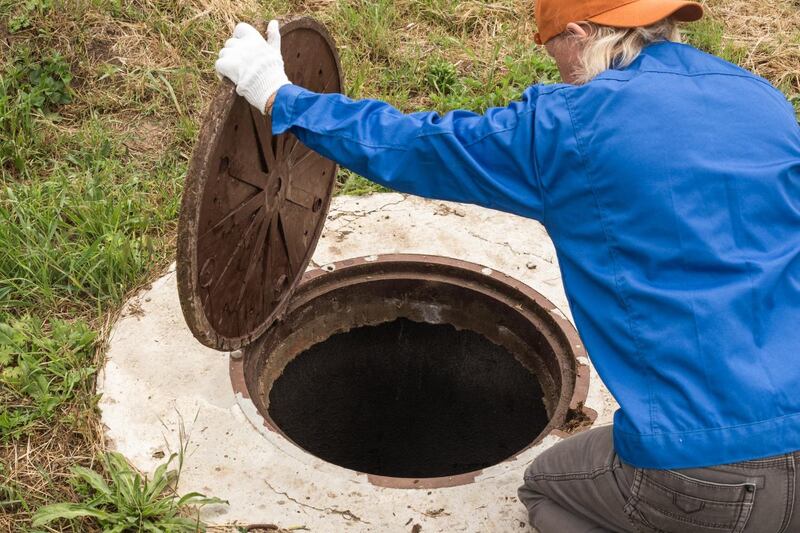
Soil type determines how far a leak spreads and how fast the surrounding area weakens. Clay soil absorbs water in a slow and stubborn way. Once it fills up, it holds moisture for a long time. This pushes pressure back toward the tank. Sandy soil works the other way. Water moves through it and carries waste deeper and farther. Both cases create problems. Heavy clay can push a weak tank wall inward. Sandy ground can wash away support under the tank and cause one side to slump. Areas with a high water table form pockets of standing wastewater that create a wider zone of damage. Roots add another risk. Trees search for moisture and will push through weak spots in a tank. Roots that find a small crack can widen it and create a path for water to escape. Seasonal rain can make all of this worse. When soil shifts from dry to wet, it moves around, and the tank doesn't always move with it, which leads to stress on the seams. Once the soil starts working against the tank, the structure deteriorates at a faster rate. The leak that started as a hairline crack can grow as the ground flexes. Understanding your soil helps you see why a leak demands prompt repair. Delays give the ground more time to shift and can lead to more extensive work.
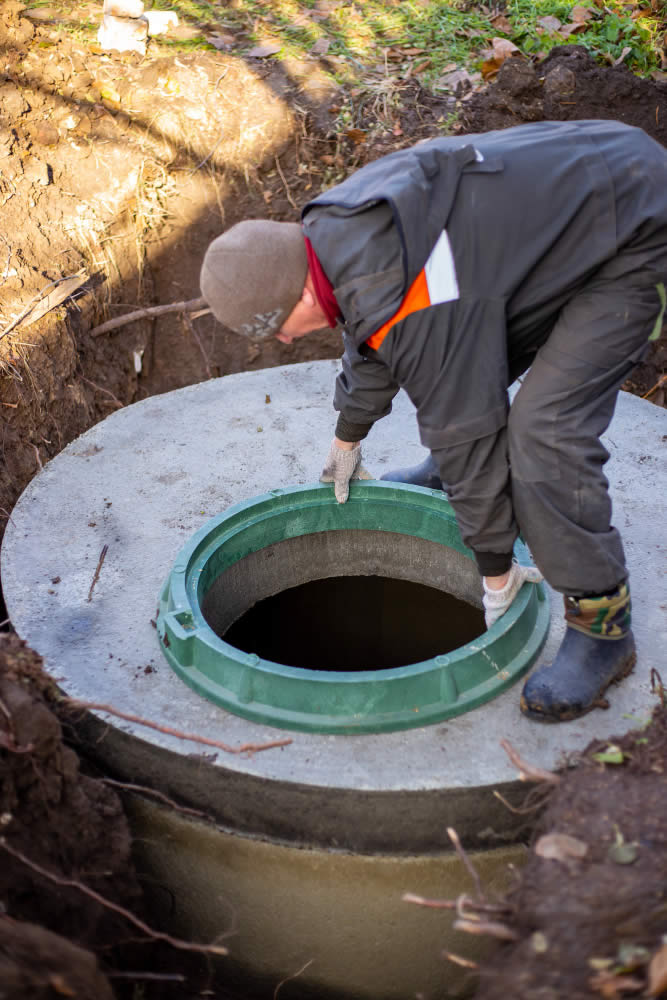
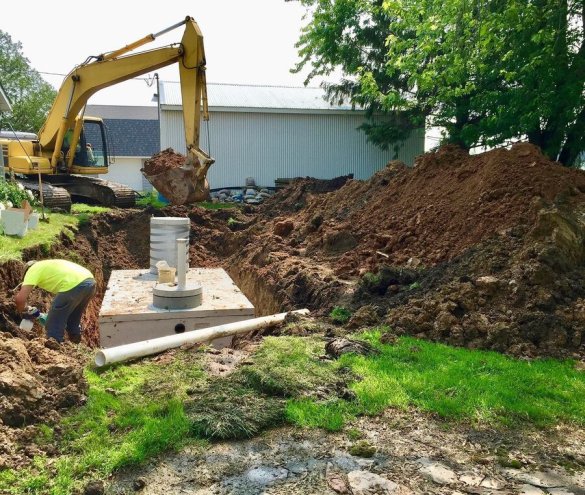
A professional inspection works a bit like detective work. The tech begins on the surface and checks for uneven ground that shows soil loss and watches for wet areas that match the track of a possible leak. After that, they uncover the lid and look at the tank level. If the level sits lower than it should, it suggests water loss through a crack or possibly a loose seal. From there, the tech tests the baffles and confirms if they are broken. They shine a light through the interior to spot fractures. Some tanks show lines along the wall that mark the edge of structural stress. A tech knows how to tell the difference between normal wear and damage. They might run a dye test if the leak path needs confirmation. The goal is to find the source and measure the size and depth of the problem. Once they identify the path of the leak, they can tell you if a repair makes sense. In rare cases, a full tank replacement is needed. The inspection also tells you what the soil is doing around the tank. If the soil is soft or washed out, you may need to reinforce the area. An inspection gives you a full picture so you can act with confidence. It also protects the drainfield because catching a leak early keeps waste from drifting into the lines.
Untreated leaks reach farther than the yard. Wastewater carries bacteria that thrive in damp soil. Pets and children play outside and can step into these areas without knowing it. Wind can lift light particles and spread them across the property, creating a path for exposure. A leak can move toward a shallow well and affect water quality. Even if the well sits a good distance away, the groundwater can shift during heavy rain and draw contaminants along with it. Standing wastewater attracts insects that spread germs and wildlife that leave droppings nearby. This raises the risk of illness. A leak in the wrong spot can also send waste toward a foundation wall. If that area takes on moisture, the indoor air quality can decline. All of these issues add stress to a home. Repairing the leak restores the safety of the yard. It also stops the movement of waste and allows the soil to dry out and recover.
A leaking septic tank creates a real risk for your property and only grows worse with time. Taking care of it now protects your yard, your home, and your health. Have you been looking for a local septic company in Auburn who can get you back on track? Call Septic Pumping of Raleigh for reliable support. Our crew takes pride in offering quality work and dependable septic service. Reach out today and let us manage your next septic service so your system stays reliable for years to come.
 22
May/22/2026
22
May/22/2026
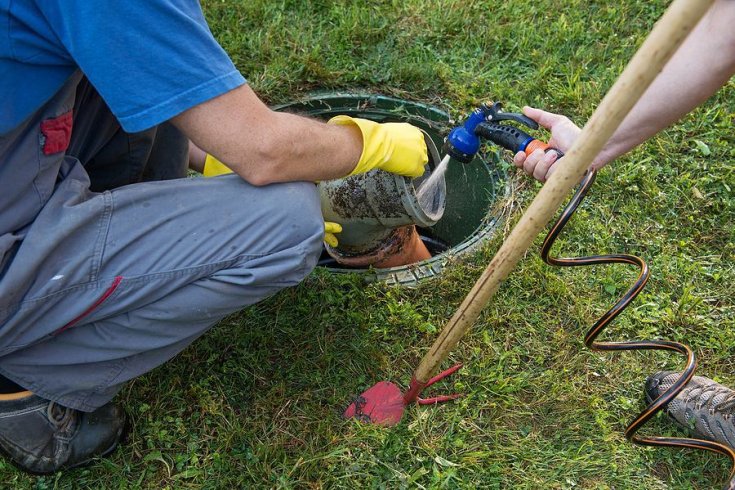
There is a similarity between emergency septic back-ups and costly repairs – the red flags were neglected! Most times, homeowners appear…
 12
May/12/2026
12
May/12/2026
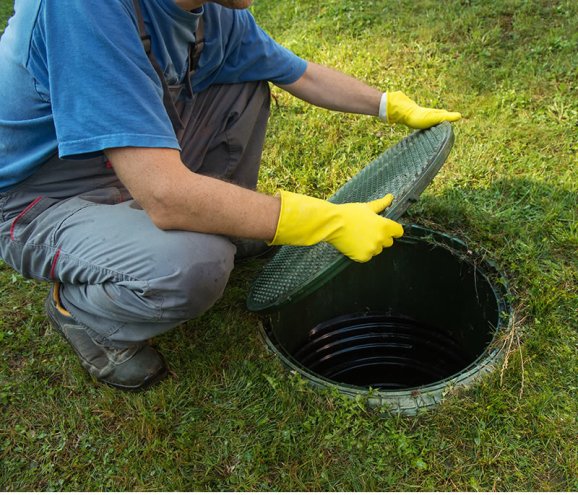
Most homeowners know they are supposed to schedule septic tank pumping every few years. What many do…
 06
May/06/2026
06
May/06/2026
Septic systems do not malfunction suddenly! The failure starts with ordinary habits that seem harmless at the time. A little grease…
 30
Apr/30/2026
30
Apr/30/2026
Septic systems take a beating from the seasons, and most homeowners have no idea it's happening until there's already a problem.…