Menu

Get It Safely Pumped Today
Get It Safely Pumped Today
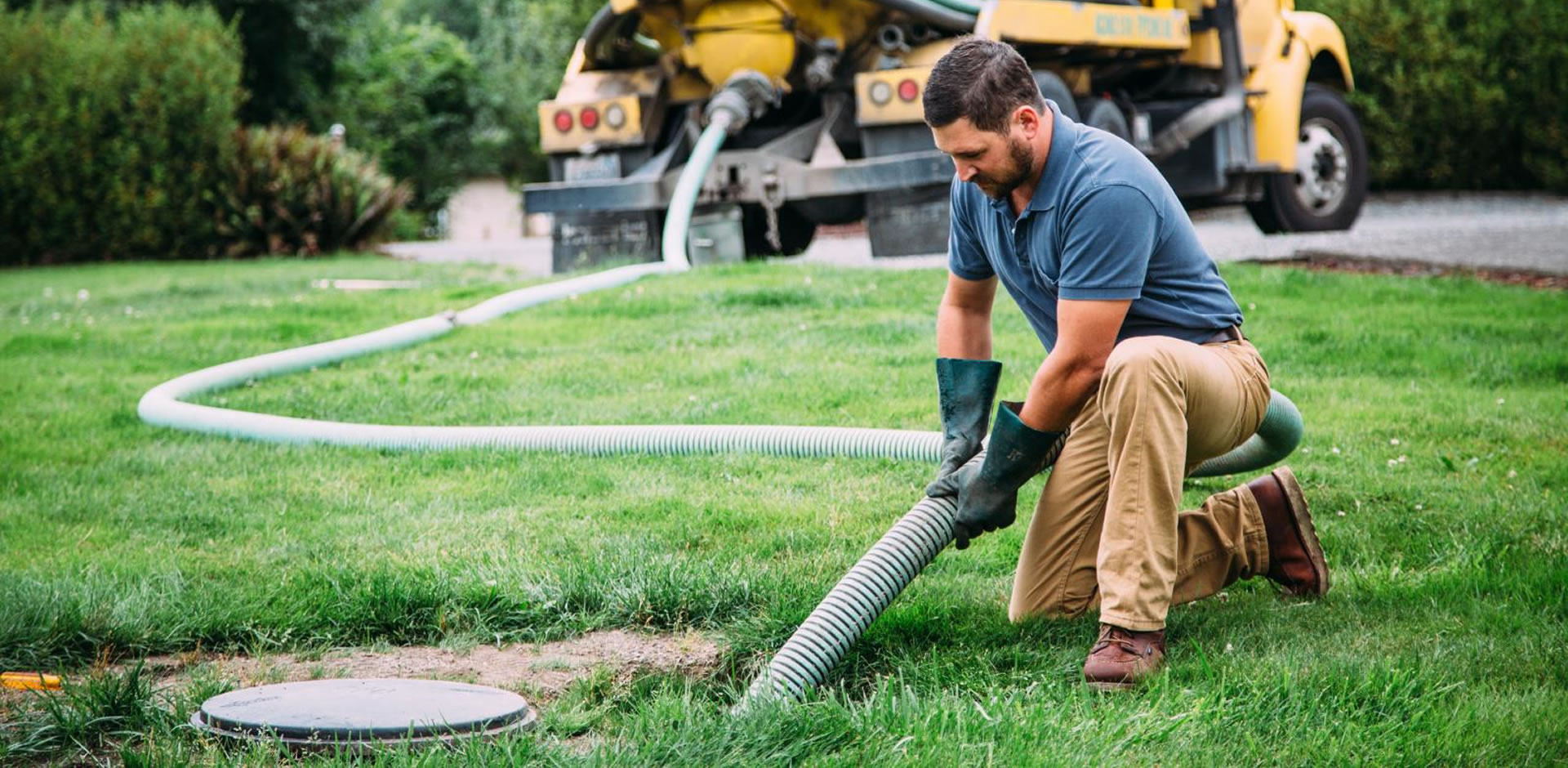
Most homeowners have no idea how long their septic system is supposed to last, and the gap in knowledge can get expensive fast. Septic Pumping of Raleigh has seen firsthand how the same type of system can last decades on one property and fail prematurely on another. Understanding what drives the difference is the first step toward getting the most out of what you have. Keep reading to find out what affects septic system lifespan and what you can do to protect yours.
Most septic systems are built to last between 20 and 40 years. That range gets thrown around a lot, but it comes with conditions most people never hear about. It assumes regular septic tank pumping every three to five years, a properly sized tank for the household, and a drain field that was installed correctly from the start.
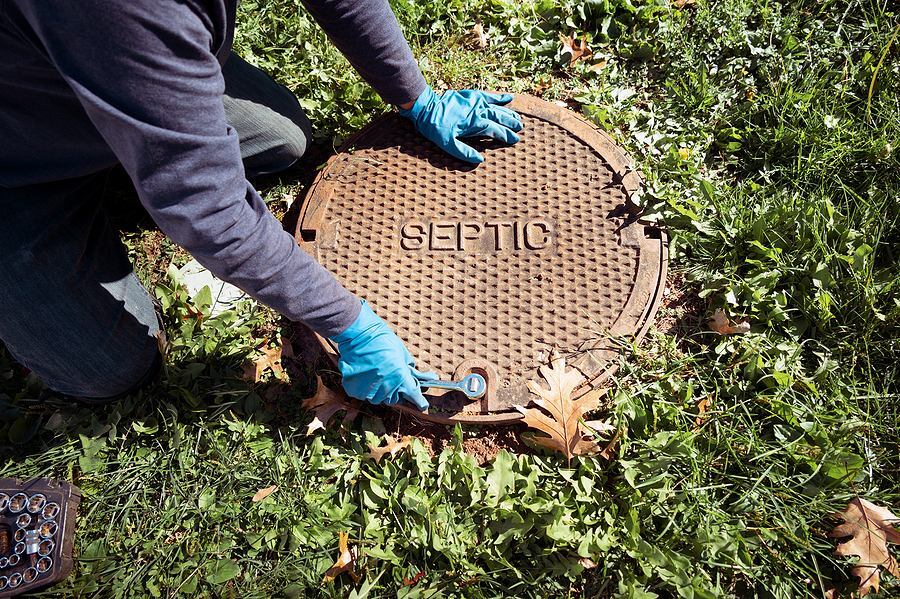
When those conditions aren't met, the math changes fast. A system that goes 10 or 15 years without a pump-out accumulates sludge that eventually pushes into the drain field. Once that happens, you're not looking at a maintenance bill anymore. You're looking at a replacement.
The 20-to-40-year estimate also assumes consistent use by a household of average size. A vacation home that sits empty for months, then hosts 12 people for a week, puts a kind of shock load on the system. Systems don't age on a calendar. They age based on use, maintenance, and conditions.
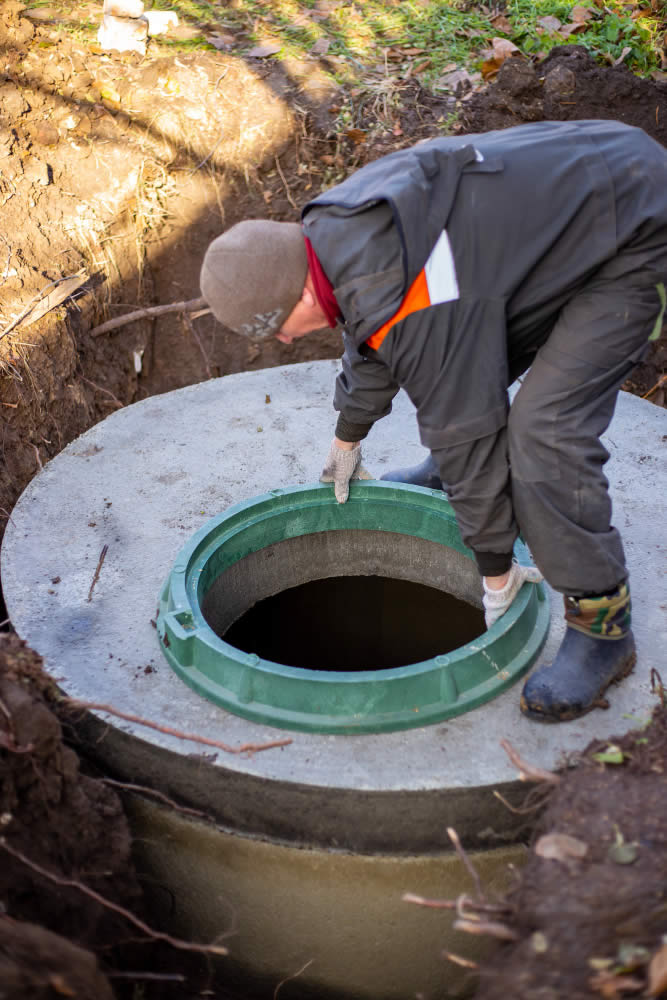
The material your tank is made from sets the ceiling on its lifespan. Concrete tanks are the most common and can last 40 years or more when well-maintained. They're vulnerable to corrosion from hydrogen sulfide gas, which forms naturally inside the tank, and acidic soil can eat at the exterior.
Fiberglass and plastic tanks resist corrosion well, but they're lighter and can shift or crack under pressure from soil movement or heavy surface loads. Steel tanks, which were installed widely through the mid-20th century, have the shortest lifespan. Most are well past their useful life by now, and any property still running one is operating on borrowed time.
During routine septic cleaning, a technician can spot early signs of deterioration like inlet baffle damage, cracked lids, or corrosion around the access ports. Catching those problems early is cheaper than finding them after a failure.
What goes into a septic system matters as much as how old it is. Flushing anything beyond human waste and toilet paper introduces materials that don't break down in the tank. Wipes labeled "flushable," paper towels, and feminine hygiene products accumulate in the tank and accelerate sludge buildup. Garbage disposals add a substantial volume of food solids that a septic system wasn't designed to handle at high frequency.
Household chemical habits affect the drain field, too. Dumping bleach, paint, or chemical drain cleaners down the drain kills the bacterial population inside the tank. Those bacteria are what break down waste. Without them, solids pass through the tank mostly intact and clog the drain field faster.
Water load is the third factor. Running multiple loads of laundry back to back, or having a high number of occupants for the tank's rated capacity, floods the system before solids have time to settle. Spreading water use across the day gives the tank time to process what it receives.
Premature failure almost always traces back to one of a few root causes. Neglected pumping schedules top the list. When sludge and scum layers build up past the tank's capacity, solids escape into the drain field and compact the soil. That soil can't be restored. The drain field has to be replaced.
Tree roots are the second major cause. Trees planted near the septic system send roots toward the moisture and nutrients in the drain field. Those roots crack pipes, disrupt the gravel bed, and block flow. Willows and maples are the worst offenders, but almost any large tree planted within 20 to 30 feet of the system creates risk.
Parking vehicles or placing heavy structures over the drain field compresses the soil and crushes the distribution pipes underneath. That type of damage is irreversible without excavation. A reliable septic company in Neuse, NC will flag these risks during a service visit and identify specific changes that prevent long-term damage.
A visual check of your yard tells you almost nothing about the actual condition of your septic system. A professional inspection goes into the tank, checks the inlet and outlet baffles, measures the sludge and scum layers, and evaluates whether the drain field is accepting liquid the way it should.
Inspectors can identify a tank that's due for septic service before any symptoms appear above ground. They can also catch early drain field saturation, which shows up as slow drainage inside the house or unusually green grass over the leach lines.
The inspection report gives you a concrete picture of where your system stands in its lifespan. If the tank is aging but the drain field is intact, targeted maintenance can extend the system. If the drain field is already compromised, you're better off knowing that now than after a sewage backup forces an emergency call.
Septic systems don't give much warning before they fail, but they do respond to consistent care. Scheduling septic tank pumping every three to five years, watching what enters the system, and having a professional evaluate the system every few years keeps most systems well inside their expected lifespan. Septic Pumping of Raleigh provides inspections, septic cleaning, and full septic service for residential properties throughout the Raleigh area. If you don't know the last time your system was serviced, that's the right place to start. Call us to schedule an appointment and find out exactly where your system stands.
 22
May/22/2026
22
May/22/2026
There is a similarity between emergency septic back-ups and costly repairs – the red flags were neglected! Most times, homeowners appear…
 12
May/12/2026
12
May/12/2026
Most homeowners know they are supposed to schedule septic tank pumping every few years. What many do…
 06
May/06/2026
06
May/06/2026
Septic systems do not malfunction suddenly! The failure starts with ordinary habits that seem harmless at the time. A little grease…
 30
Apr/30/2026
30
Apr/30/2026
Septic systems take a beating from the seasons, and most homeowners have no idea it's happening until there's already a problem.…